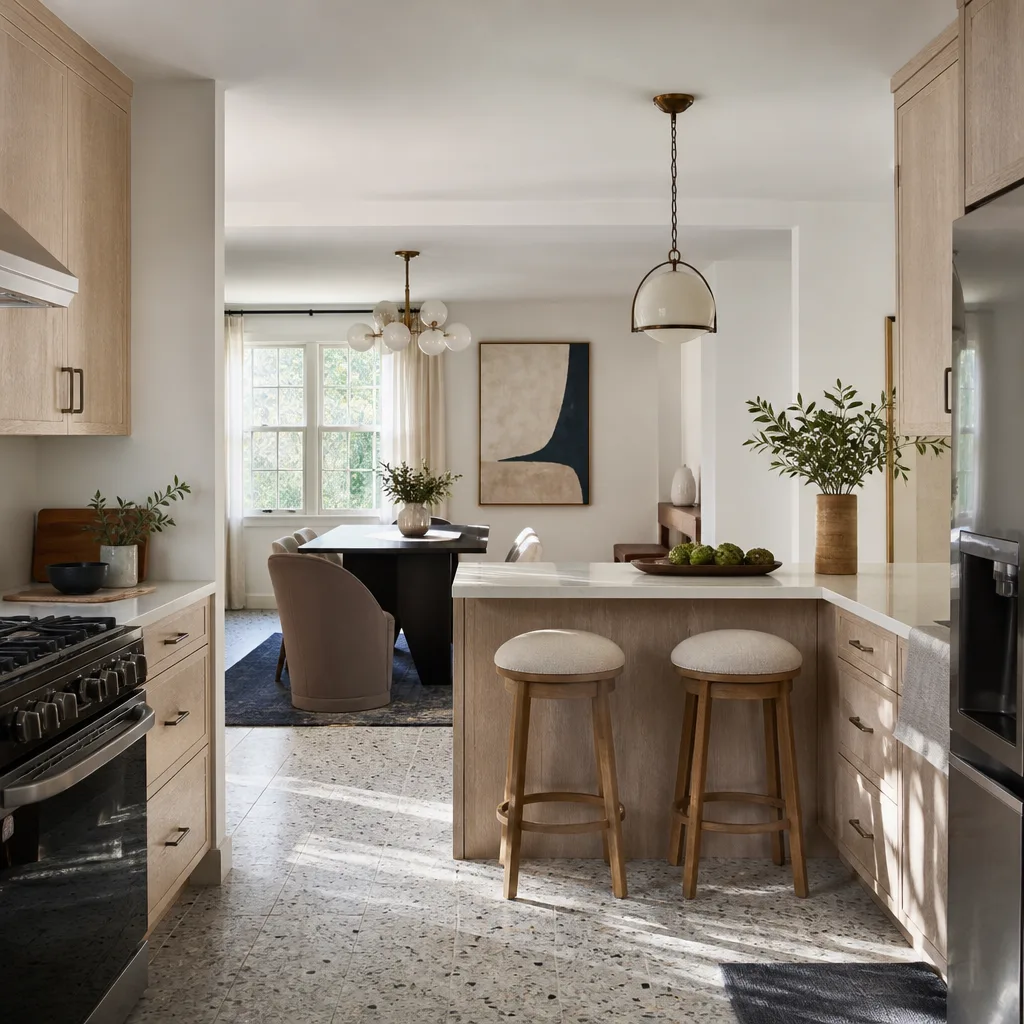
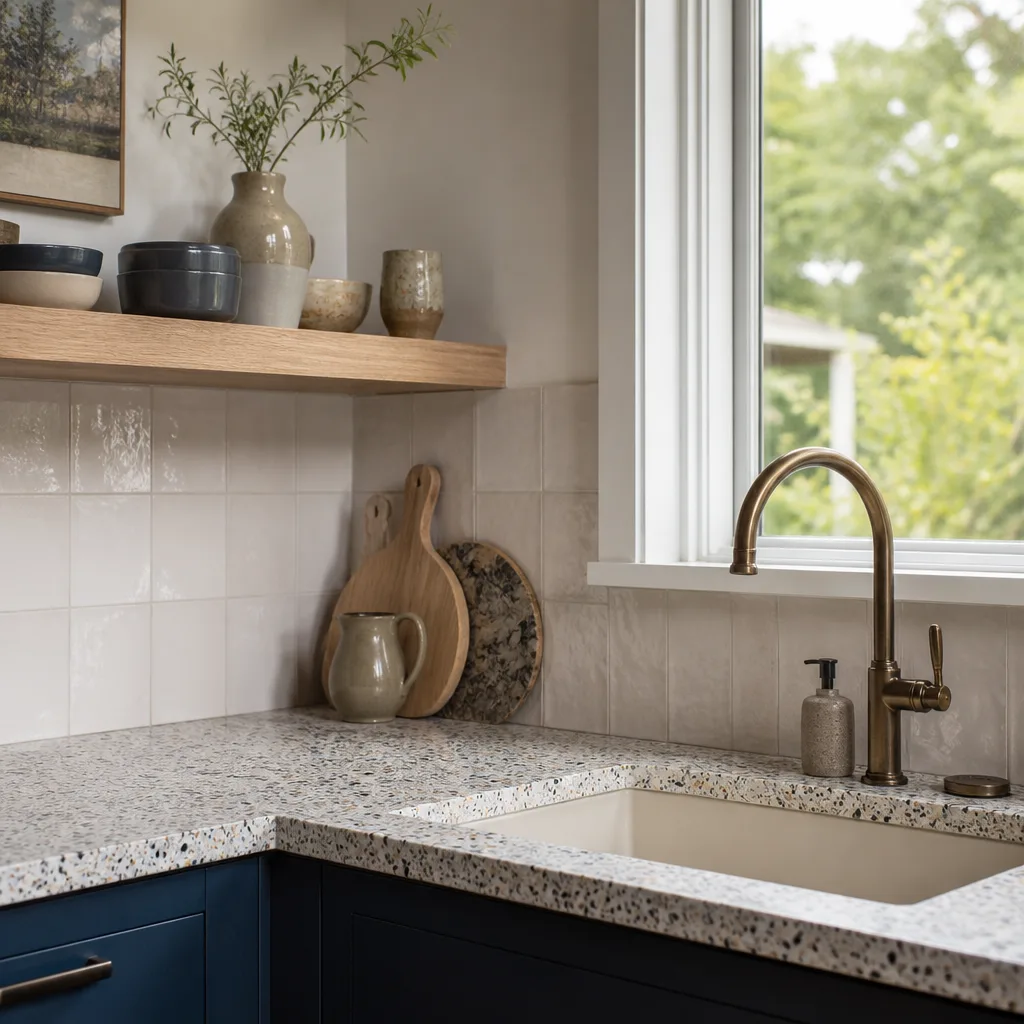

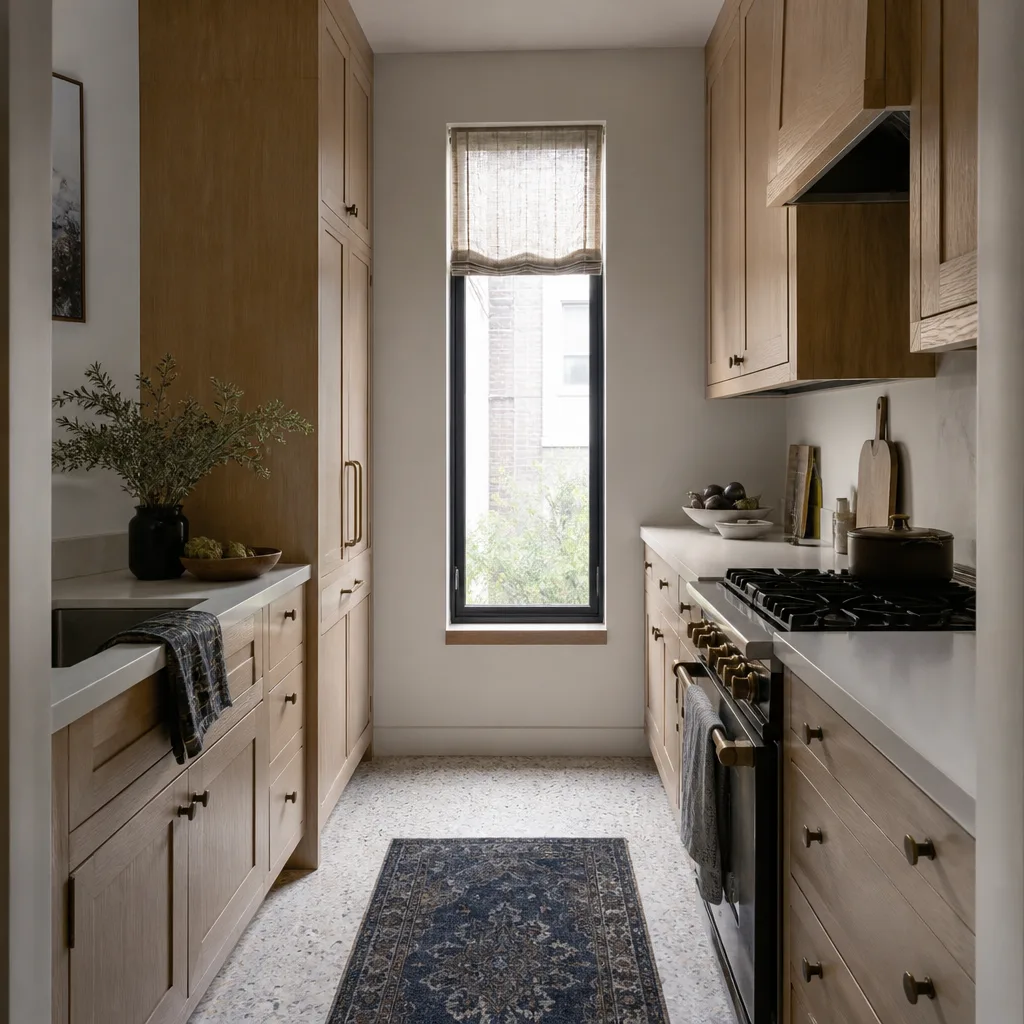



Free written scope consultation - allowances, timeline, and change-order rules on paper before a single trade is scheduled
Styles & brands we work with







See the difference
 Before
 After
After Before
 After
After Before
 After
AfterHow Much Does Kitchen Island Installation Cost in San Diego?
Kitchen island installation in San Diego typically costs between $3,540 and $11,800, with most homeowners paying around $6,500 to $8,000 for a mid-size island with butcher block or quartz countertop, base cabinetry, and electrical work. A simple prefabricated island with no plumbing or electrical runs lands near the bottom of that range, while a custom island with waterfall edges, a prep sink, and built-in appliances pushes toward the top. Every project we price in San Diego gets a written quote before any work begins, so you’ll know the exact number before a single tool comes off the truck.
This guide breaks down what you’re actually paying for, what drives the number up or down in the San Diego market specifically, and how to get a fair price without surprises. If you want a fast, no-obligation estimate for your kitchen, call (619) 673-9302 and a live person will answer, any day of the year.
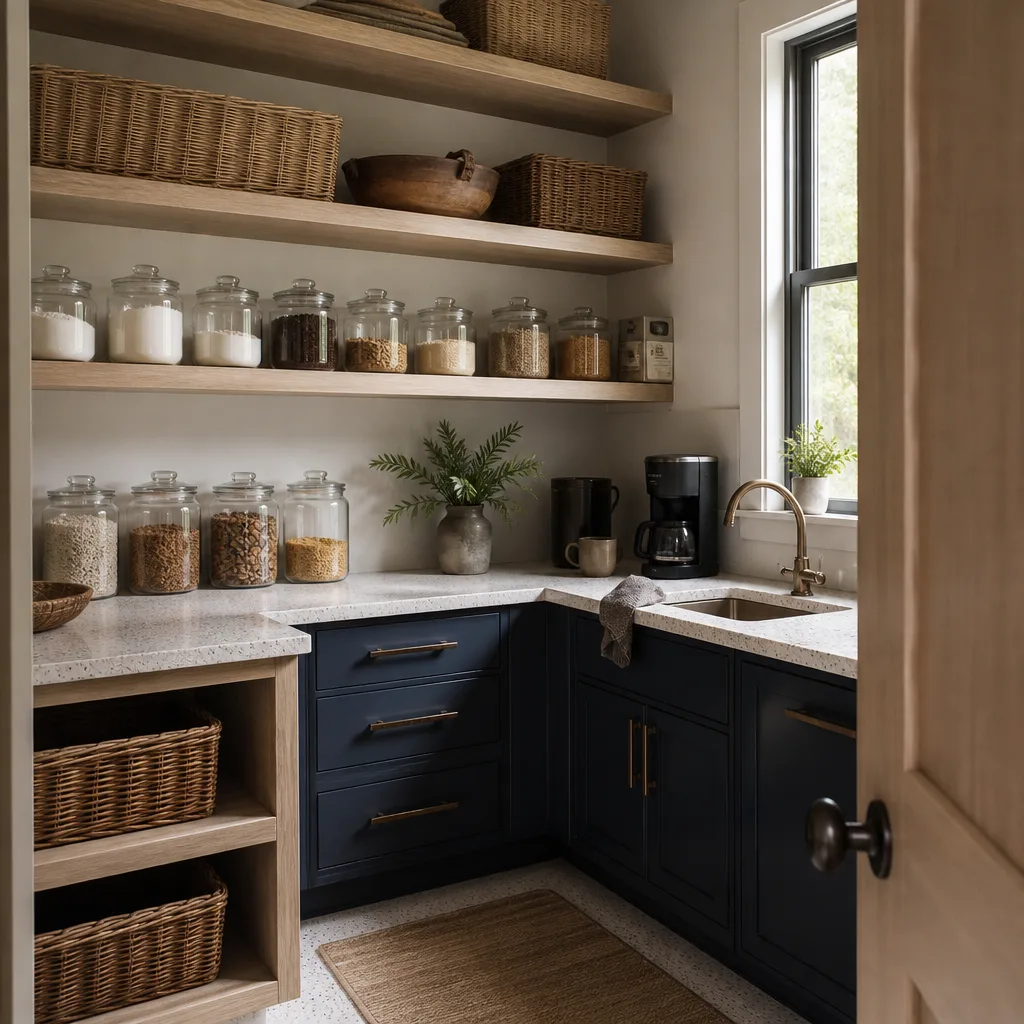
Kitchen Island Installation Cost Breakdown (2026)
Here’s where your money goes on a typical San Diego kitchen island project. These are the line-item ranges we see across the county, from Chula Vista up through Escondido and everywhere in between.
| Line Item | Typical Cost Range | Notes |
|---|---|---|
| Base cabinetry (stock or semi-custom) | $800 – $2,900 | KraftMaid and Wellborn are the brands we install most often |
| Countertop slab (quartz, granite, or butcher block) | $900 – $3,800 | Cambria, Silestone, and Caesarstone run higher than laminate |
| Electrical rough-in and outlets | $350 – $1,100 | San Diego code requires GFCI outlets on islands |
| Plumbing rough-in (if adding a prep sink) | $600 – $2,200 | Slab-foundation homes in Clairemont and Mission Valley cost more to trench |
| Labor and carpentry | $1,200 – $3,500 | Includes framing, leveling, cabinet anchoring, and trim |
| Finishing touches (hardware, toe kicks, trim) | $150 – $700 | Soft-close hinges and dovetail drawers add cost |
| Permits and inspections | $200 – $600 | Required when adding electrical or plumbing to an island |
So a basic 4-foot island with a laminate top and no plumbing might come in around $3,800. A 7-foot island with quartz, a prep sink, and pop-up outlets in a Carmel Valley remodel could hit $11,000 or a bit more. The spread is real, but so is the pattern: labor and cabinetry are usually the two biggest buckets.
What moves the number most? Square footage of the island you’re adding, whether you need plumbing relocated, and the grade of stone or solid surface you pick. In San Diego, we also contend with slab foundations in many older neighborhoods north of downtown, which makes running a new water line or drain to an island more involved than it would be in a raised-foundation home in, say, Alpine or Ramona.
If you’re already planning a full home remodel or a larger Kitchen Island Installation in San Diego, the island line item often folds into the overall budget more efficiently than a standalone project.
What Affects Kitchen Island Installation Pricing in San Diego
Here are the honest factors that shift a kitchen island quote in San Diego County, in order of how much they matter:
- Plumbing, and what’s under your floor. Adding a prep sink to an island means running supply lines and a drain. In neighborhoods like Normal Heights, North Park, and most of coastal San Diego, slab-on-grade construction means cutting concrete. That is loud, dusty, and not free. Homes with crawlspaces, common in East County, are faster and cheaper to work under.
- Electrical code compliance. San Diego follows the California Electrical Code, which requires at least one GFCI-protected receptacle on a kitchen island. If you’re adding outlets, pop-up charging stations, or pendant lighting, expect an electrician on-site. It is not optional, and doing it right means a permit.
- Island size and cabinet construction. A stock 48-inch base cabinet from KraftMaid costs far less than a custom 96-inch run with roll-out trays, deep drawers, and a built-in microwave bay. Semi-custom lines from Wellborn land in the middle.
- Countertop material and edge profile. Laminate starts around $25 per square foot installed. Quartz from Cambria or Caesarstone runs $75 to $140 per square foot in San Diego showrooms, and a waterfall edge adds another $1,200 to $2,500 depending on the slab size.
- The current state of your kitchen floor. If you’re installing an island on top of existing flooring, the island footprint will not be covered. If the floor is staying, that’s fine, but it will not match underneath. If you’re reflooring anyway, the install is cleaner and the seam logic changes. This decision shapes the schedule.
- Appliance integration. A beverage fridge, wine cooler, microwave drawer, or secondary dishwasher inside the island all add electrical, ventilation, or plumbing requirements. Each appliance adds rough-in cost plus the appliance itself.
The good news: an island is one of the few kitchen upgrades that adds usable counter space, storage, and seating all at once. In a San Diego market where kitchens sell homes, it is one of the higher-return buys per dollar spent.
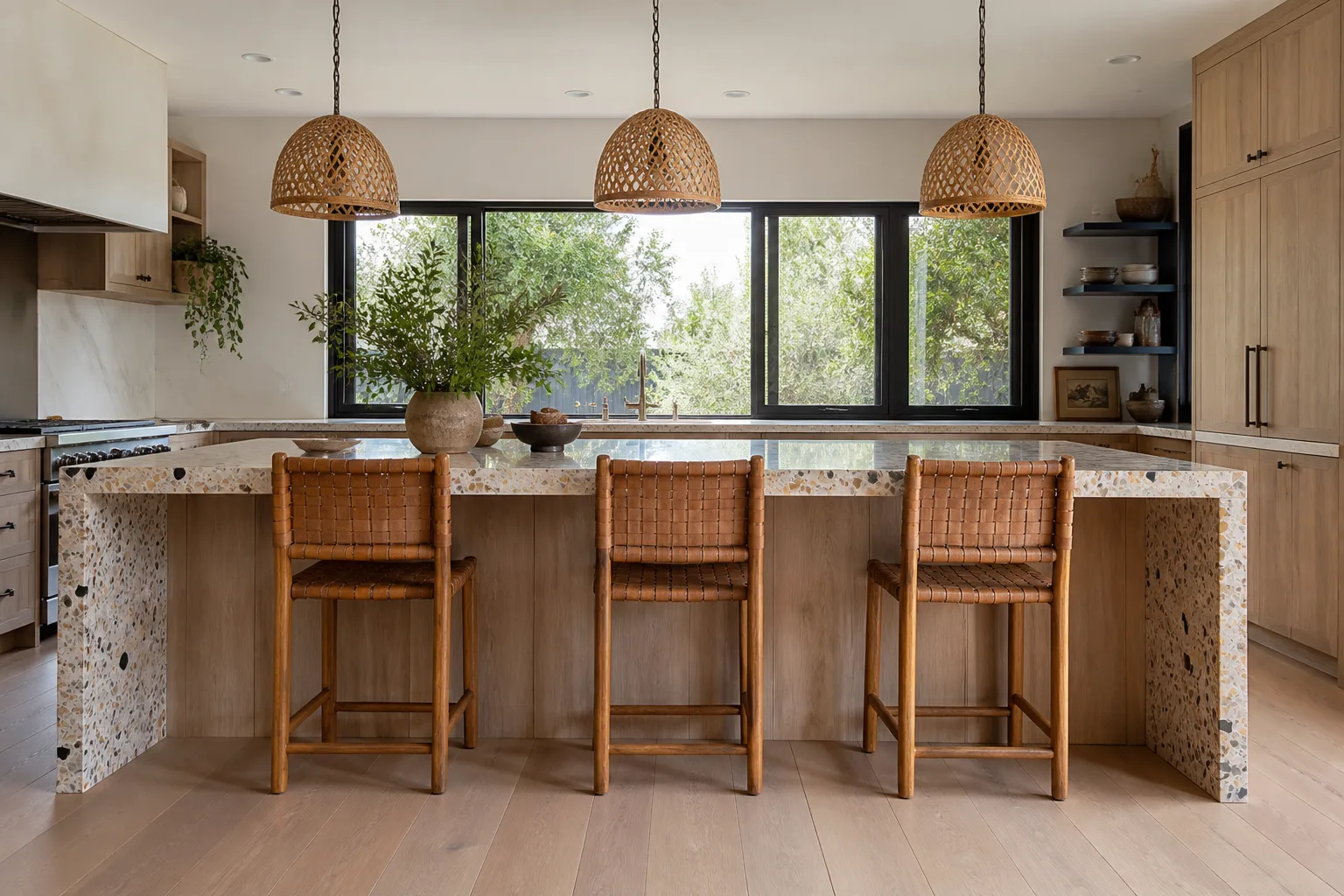
Typical Kitchen Island Scenarios in San Diego (With Real Numbers)
Rather than speak in ranges forever, here are three scenarios we’ve priced in San Diego:
- The 5-foot prep island, no plumbing: stock cabinet base, quartz top, two GFCI outlets, painted toe kick. $4,200 – $5,800 depending on stone selection. This is the most common ask in condos and mid-century homes in Clairemont and Serra Mesa.
- The 7-foot entertainer with seating overhang: semi-custom Wellborn base with deep drawers, Cambria quartz with 12-inch overhang, pop-up outlet tower, pendant light rough-in. $7,500 – $9,800. This is what we see most in newer Torrey Highlands and Otay Ranch homes.
- The full custom island with prep sink and appliance bay: 8-foot-plus footprint, plumbing rough-in through slab, Caesarstone or Silestone top with waterfall edges, beverage center, trash pull-out, five-piece drawer base. $10,500 – $12,500+. Common in Del Cerro, Scripps Ranch, and coastal rebuilds.
These numbers assume a clean, accessible kitchen and no structural surprises. If your 1960s home in Allied Gardens has a former owner’s DIY electrical daisy chain behind the wall, that changes the scope, and the price should change, in writing, before work starts, not after.
How to Save on Kitchen Island Installation
Saving money on an island does not mean cutting corners. It means cutting scope you do not actually need, and timing the project strategically:
- Skip the plumbing. A prep sink is nice. It is also usually the single most expensive add-on when you have a slab foundation. If you can live without it, you’ll save $1,500 to $3,000.
- Choose a stock cabinet in a standard finish. Custom paint colors and specialty glazes add weeks and dollars. KraftMaid’s stock line has 50+ finishes already, and many of them ship fast.
- Use a mid-grade quartz instead of exotic stone. Silestone’s standard colors run $65 – $90 per square foot installed in San Diego. That is real money saved versus book-matched marble, and it performs better against wine, citrus, and olive oil.
- Time your project, if you can. San Diego remodelers are busiest between March and September. If you schedule for January or February, you’ll often get faster scheduling and occasionally better pricing on cabinetry from suppliers clearing inventory. The weather in San Diego barely affects interior work, so winter is a great time to build.
- Have a written scope. This is not a money-saving tip, it is a money-protecting one. When your quote says exactly which cabinets, which countertop slab, which hardware, and which electrical fixtures are included, there is nothing to negotiate later. We give a written price before any work starts. If the scope does not change, neither does the price.
Call (619) 673-9302 for a free estimate and we’ll walk through what fits your kitchen and your budget, with real numbers, no pressure.
San Diego Permits, Codes, and Local Considerations
If you are adding electrical outlets or plumbing to a new island, the City of San Diego requires a building permit, and the work needs to pass inspection. The city uses the 2022 California Electrical Code and the 2022 California Plumbing Code, and the inspectors in San Diego are consistent about one thing: exposed Romex under a cabinet is a fail. So is a sink drain with no vent, which is a common problem when an island is placed more than six feet from a wall vent stack. A plumber needs to install an air admittance valve or a loop vent, and that is a detail a real contractor handles before the inspector ever arrives.
Unincorporated areas of the county, like Spring Valley, Lakeside, and parts of El Cajon, go through San Diego County Building Services instead of the city, but the code requirements are the same. The inspector’s office is what it is, wherever you are, and the fix for any code issue is always more money. We pull permits on every island that requires one, and we handle the scheduling.
How Much Does It Cost to Install an Island in a Condo or Townhome?
San Diego condo and townhome island installations run $4,000 to $8,500, but the range tightens based on two things: HOA rules and access. Many downtown high-rises and Mission Valley complexes have freight elevator reservations, loading dock hours, and material restrictions. If your building requires a certificate of insurance with the HOA named as an additional insured, that is a document we produce before work starts, and it does not cost you anything extra, but it does take a few days. The actual island construction is the same as a house, but moving full sheets of plywood and stone slabs through a high-rise service elevator adds time and occasionally cost.
Also worth knowing: if your condo has a concrete slab floor, which almost all mid-rise and high-rise buildings do, any plumbing to the island means core drilling. That is a specialized sub with specialized pricing, and we’ll show you that line item on the quote, not bury it.
Can You Install a Kitchen Island in a Small San Diego Kitchen?
Yes. You need 36 to 42 inches of clearance on every working side of the island, and 42 to 48 inches is better if two people cook together. In smaller galley kitchens in areas like University Heights, South Park, and older Ocean Beach bungalows, a 3-foot by 4-foot island on casters or a narrow 24-inch-deep peninsula can work where a full-size island cannot. A rolling island with a butcher block top starts around $900 as a furniture piece, but a custom built-in with proper anchoring and electrical runs $3,540 to $5,500 even in smaller footprints.
Before you island a small kitchen, measure from the front face of the refrigerator, dishwasher, or range to the planned island edge. Open the appliance door. If the door hits the island, the layout does not work. That is the most common small-kitchen mistake we fix after another contractor has already installed it.
How Long Does Kitchen Island Installation Take in San Diego?
A straightforward island with no plumbing takes 3 to 5 working days: day one for demolition and rough electrical, days two and three for cabinet setting and countertop templating, day four for countertop fabrication and install (the slab shop runs on their own clock), and day five for final trim, outlet plates, and touch-up. If you are adding a sink, add two to three days for plumbing rough-in and inspection. If you are doing the island inside a complete kitchen remodel, the island is just one line item on a multi-week schedule, and we build it in sequence with the rest of the cabinets.
In San Diego, the countertop fabrication queue is the real schedule variable. Most local slab shops run 7 to 14 days from template to install, and that clock only starts after the cabinets are set. A good contractor orders the stone early, templates as soon as the base cabinets are in, and gives you a precise install window. We’ll write the schedule into your quote.
DIY vs. Professional Kitchen Island Installation: What You Should Know
You can buy a prefabricated kitchen island from a big-box store for $500 to $1,500 and set it in place yourself on a Saturday. That is furniture, not construction, and it’s fine if you just want additional work surface. But a permanent island with electrical, cabinetry, stone, and code compliance is not a weekend project. A few realities:
- Countertop slabs in San Diego typically weigh 200 to 600 pounds for an island-sized piece. Setting one wrong damages the slab, the cabinets, or a person.
- Electrical work inside a kitchen island requires the breaker to be off, the wiring to be run through the cabinet base per code, and an inspection afterward. If you are not certain you can do that correctly, do not guess. Exposed wiring inside a cabinet is a real shock and fire risk.
- If you build an island over existing flooring and later want to move it, you will have an unfinished patch in the middle of your kitchen. We see this all the time in flipped homes in City Heights and Rolando.
A permanent island that gets used daily is part of the kitchen structure. It is worth doing right, which means an insured contractor who is licensed to handle what is inside the walls and under the floor.
FAQs – Kitchen Island Installation Cost
How much does a kitchen island cost in San Diego?
A kitchen island in San Diego costs $3,540 to $11,800 installed, with most projects between $6,500 and $8,000. A 5-foot island with a quartz top and electrical runs around $5,000, while a custom 8-foot island with a prep sink and waterfall stone runs $11,000 or more. Call (619) 673-9302 for a written quote on your exact layout.
Is it cheaper to build an island or buy a prefabricated one?
Buying a prefabricated or stock island is cheaper, at $900 to $2,500 for the unit itself, but those islands are not built into the floor, they typically have no electrical, and they use lighter materials that move when you use them. A built-in island costs more, $3,540 to $11,800 in San Diego, and it is permanent, anchored, and wired to code. It also adds to your home’s resale value in a way a furniture piece does not.
Does a kitchen island add value to a home in San Diego?
A well-built kitchen island typically returns a meaningful portion of its cost at resale in San Diego because local buyers expect usable kitchen counter space. In the 2026 market, an island with seating and storage is a feature, not a luxury. The return is highest when the island fits the kitchen without crowding it and uses materials consistent with the rest of the home.
Can I add an outlet to an existing kitchen island?
Adding an outlet to an existing island costs $350 to $700 in San Diego if the island already has power nearby, and $900 to $2,100 if an electrician needs to run a new circuit from the panel through finished walls or a slab. San Diego code requires GFCI protection on the outlet, and the work needs a permit. We handle the outlet, the permit, and the inspection.
How much does it cost to add a sink to a kitchen island?
Adding a prep sink to a kitchen island in San Diego costs $1,500 to $3,500 above the cost of the island itself, depending on whether you are on a slab or a raised foundation. That includes plumbing rough-in, the sink and faucet, drain and venting work, and the permit. If you are in a condo on a slab, you may also have core drilling, which lands at the higher end of that range.
Pricing reflects the San Diego market as of 2026. Mason Remodeling Co San Diego offers free estimates – call (619) 673-9302.
Written by Isaac Pruett, Owner at Mason Remodeling Co San Diego, serving San Diego County since 2004.
What Our Customers Say
"Opened up the wall between kitchen and dining room. They handled the beam and permit and the floor transitions look seamless."
- Wendy A."Good work on the hall bath. They found a rotted subfloor, which added cost, but showed me photos and a clear price first."
- Neil P."Bathroom gut job. Replaced the old tub with a walk-in shower and added a niche. Waterproofing was done properly with a flood test before tile."
- Greg L.