


Free written scope consultation - allowances, timeline, and change-order rules on paper before a single trade is scheduled
Silestone Kitchen Remodeling: The San Diego Owner’s Guide
Silestone kitchen remodeling in San Diego typically runs $16,520 to $53,100 installed, depending on how much surface area you’re replacing and whether cabinets move with it. We stock Silestone-compatible slabs, prefab sections, and edge profiles at our San Diego yard, and most countertop-only swaps are done in two to three days once the slab is selected. Homeowners usually call us after a chip near the sink, a crack running from a cooktop cutout, or a seam that’s opened up after years of coastal humidity settling the cabinets.
You’re here because a surface or a section of your kitchen stopped doing its job. Maybe a corner sheared off when a stockpot slipped, maybe the peninsula overhang has a hairline fracture nobody noticed until wine soaked into it. Either way, you want to know if it’s a repair, a partial replacement, or a full countertop swap. Here’s the straight answer, San Diego prices included, from a crew that’s worked kitchens from Point Loma to Rancho Bernardo.
Which Silestone Models This Applies To

We work with the full Silestone lineup, but the version you own changes how we approach the job. The classic Silestone Quartz series (3cm and 2cm thicknesses) is a quartz-resin composite that cuts and seams predictably. The newer Silestone Loft and Silestone Sunlit Days lines have different resin formulations that affect edge profiling and seam color matching. If you bought your kitchen in the last three to five years, you may have a Silestone HybriQ slab, which uses a reduced-silica binder. It cuts differently, and it matters for repair work.
Here’s the compatibility gotcha most San Diego homeowners don’t know: Silestone changed their color codes and lot numbering around 2020. Your slab’s underside should have a printed lot number and color code, but older kitchens often have a sticker that’s long gone. Without that lot number, we match by physical sample. Color matching across different Silestone production lots is never perfect, so if you’re replacing one section, we bring a slab sample to your kitchen and read it under your actual lighting before cutting anything. For full countertop replacements, the lot only matters if you’re matching an existing island.
Aftermarket “Silestone-compatible” repair kits exist, and we’ll be blunt: they’re for cosmetic touch-ups, not structural repairs. A quartz slab holds weight, takes heat cycles from San Diego’s inland summers, and carries the constant micro-movement of your cabinets. An epoxy fill kit from a hardware store does none of those things long-term. We use Silestone-recommended adhesive and seaming compounds, and when an OEM replacement slab section is needed, we order through our distribution partner alongside Cambria and Caesarstone, so you’re not paying a middleman markup.
Styles & brands we work with







Signs Your Silestone Kitchen Remodeling Is Failing
- Cracks radiating from the cooktop cutout. The corners of a stove or cooktop opening are stress points. If your cabinets settled even a quarter inch (common in San Diego’s older coastal and canyon homes), the slab flexes and a crack starts there. This is structural, not cosmetic.
- A seam that’s opened or shifted. Silestone seams should be tight and nearly invisible. If you can catch a fingernail on a seam, or worse, see the substrate underneath, the seam adhesive has failed. Moisture gets in, the substrate swells, and the problem compounds fast.
- Chipping around the sink or faucet holes. Undermount sinks put constant downward tension on the cutout edge. Cheap installation or the wrong edge profile leaves a thin lip that chips under normal use. Once water sits in a chip, the resin around it starts to degrade.
- Staining that won’t lift. Silestone is marketed as stain-resistant, and it mostly is. But if the slab has a worn or improperly sealed spot near a wine rack or coffee station, you’ll see a dark bloom that won’t clean. That’s the resin absorbing liquid, and it means the surface polish has failed in that spot.
- A slab that’s gone dull in one specific area. Not a general haze, but a patch that looks matte next to the polish. This happens when a previous owner or a handyman spot-polished with a car buffer or the wrong compound. The quartz crystals are exposed and the resin around them is thinning.
Replacement Cost & What’s Included
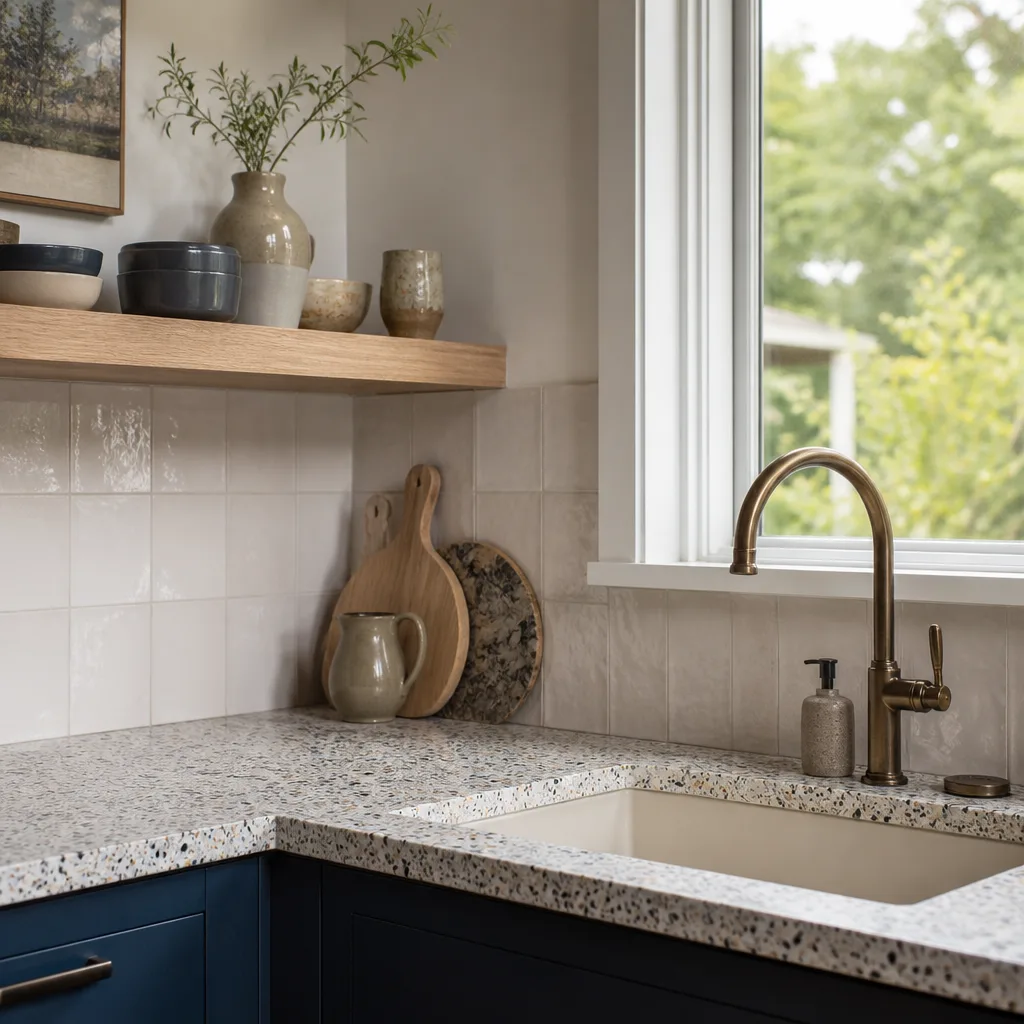
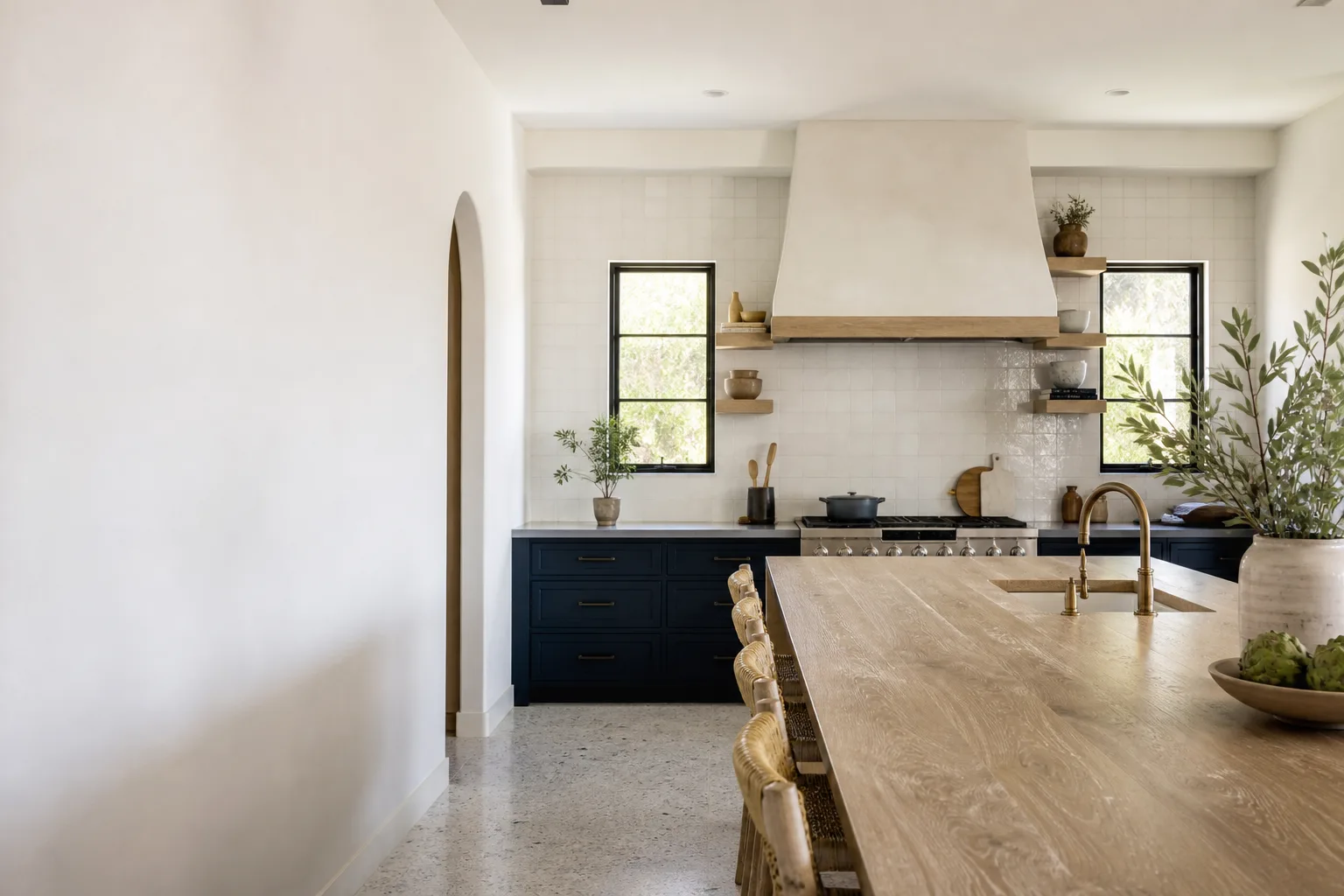
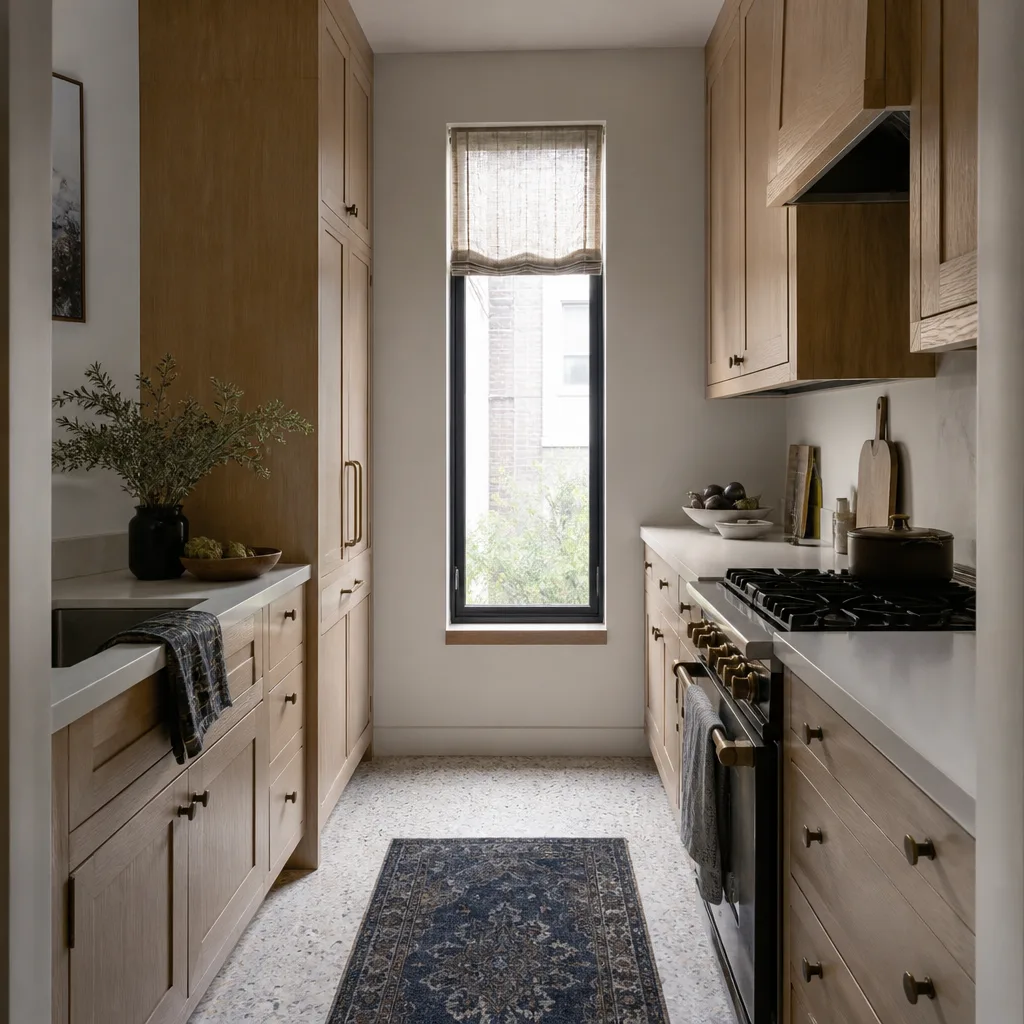
A full Silestone countertop replacement in a San Diego kitchen typically lands between $2,360 and $7,670 installed, depending on slab size, edge profile, and how many cutouts you need. If the failure is tied to cabinet settlement, and the cabinets themselves need work, the project moves into the full kitchen remodel range of $16,520 to $53,100. That’s the honest spread. The low end covers a straightforward slab swap on a compact galley kitchen. The high end covers a full kitchen reconfiguration with new cabinetry, Silestone on every surface, an island, and all the finish work.
What drives the price:
- Slab size and rarity. Common Silestone colors in standard slab sizes cost less. A discontinued or special-order color costs more to source and cut.
- Edge profile. A simple eased edge is fast. A waterfall island edge or a mitered edge doubles the fabrication hours.
- Cutout count. Every sink, faucet, cooktop, and outlet cutout adds fabrication time and risk. A slab with four cutouts costs more than one with two.
- Cabinet condition. If the cabinet boxes are solid, we template, cut, and install. If they’re water-damaged from a failed seam, that repair work gets folded into the quote.
Every quote is written, itemized, and delivered before any tool touches your kitchen. The 365-Day Done Right Promise covers the work for a full year from completion. If a seam opens, a corner chips, or the install isn’t right, we fix it at no cost. No dispute process, no conditions.
See the difference
 Before
 After
After Before
 After
After Before
 After
AfterDIY or Call Us?
You can check some things safely. Look under the slab with a flashlight and see if the underside has a readable lot sticker. Measure the thickness at an exposed edge with a tape measure. Mark chips and cracks with painter’s tape so you can tell if they’re growing week to week. None of that requires a tool or a permit.
What you should not do is attempt to lift, reset, or re-adhere a Silestone slab yourself. A 3cm quartz slab can weigh 20 pounds per square foot. A standard San Diego island slab runs 300 to 500 pounds. If it shifts while you’re under it, that’s a crush injury waiting to happen. Silestone also requires diamond tooling to cut cleanly, and a circ saw with a masonry blade will blow out the edge and void any warranty you have left. Seam repair and crack stabilization need controlled clamping and the right adhesive, not hardware store epoxy.
If you’re not sure whether you’re looking at a repair or a replacement, call us at (619) 673-9302 and describe what you’re seeing. We’ll tell you over the phone whether it’s worth a service visit.
FAQs

A properly installed Silestone countertop should last 25 years or more, but San Diego’s specific conditions shorten that timeline when the install was rushed. Coastal homes deal with salt-laden air that attacks the resin over decades, and inland areas like El Cajon and Santee see summer temperature swings that stress seams and cutout corners. If your slab is failing before year 10, the culprit is almost always installation-related, not the material.
Small chips under an inch can often be repaired with color-matched Silestone adhesive and then polished to near-invisible. Cracks running from a cutout corner, or any crack you can feel move when you press on it, are structural. Repair on those buys you time, not a fix. We’ll tell you which one you have before quoting anything. Call (619) 673-9302 and we’ll walk through what you’re seeing.
For a standard slab swap with no cabinet work, expect two to three days from template to install. Day one is laser templating at your home. Day two is fabrication, usually at our yard. Day three is install, which runs four to six hours including sink and cooktop reconnection. If we’re matching an existing island lot, add a day for slab sourcing.
We maintain access to Silestone, Cambria, and Caesarstone slabs through our distribution partners, which means we can pull common San Diego favorites like Eternal Calacatta Gold, Charcoal Soapstone, and White Zeus within days. Rarer colors or discontinued lots take longer. KraftMaid cabinet lines and Kohler fixtures come through the same channel, so if your project expands, we’re not running around town sourcing parts from four different suppliers.
Call Mason Remodeling Co San Diego for Your Silestone Kitchen
You know what’s failing. You know the rough price range now. The next step is a straight answer on your specific kitchen, and that starts with a phone call. Tell us what’s broken. We’ll tell you what it takes. Isaac Pruett and our crew have worked kitchens all over San Diego County, and we quote every Silestone job the same way: written price before work starts, name and photo of who’s coming before they arrive, and a year of coverage after the job is done. Call (619) 673-9302 for your free estimate.
Written by Isaac Pruett, Owner, Mason Remodeling Co San Diego at Mason Remodeling Co San Diego, serving San Diego and nearby areas.


