
Free written scope consultation - allowances, timeline, and change-order rules on paper before a single trade is scheduled
Caesarstone Home Additions & ADU: The San Diego Owner’s Guide
Caesarstone home additions and ADU construction in San Diego typically run $53,100 – $153,400, with most projects landing between $75,000 and $120,000 depending on square footage, ADU type, and finish level. We stock and install Caesarstone surfaces across kitchen counters, bathroom vanities, and wet bars in these builds, and we can usually start the surface portion within a few weeks of plan approval. Most San Diego homeowners find their way to us when they’re mid-project or stuck: an existing Caesarstone counter cracked at a seam during a wall move, a new ADU needs surfaces specified and templated, or a garage conversion stalled because the surface vendor ghosted them. That’s the call we answer all day.
Here’s what you should know before you spend another hour on this: who we are, what Caesarstone surfaces cost in San Diego right now, how the process works from measurement to install, and what happens if something goes wrong after we leave. Isaac Pruett has been running jobs in San Diego County long enough to know that a straightforward answer beats a sales pitch every time.
Which Caesarstone Models This Applies To
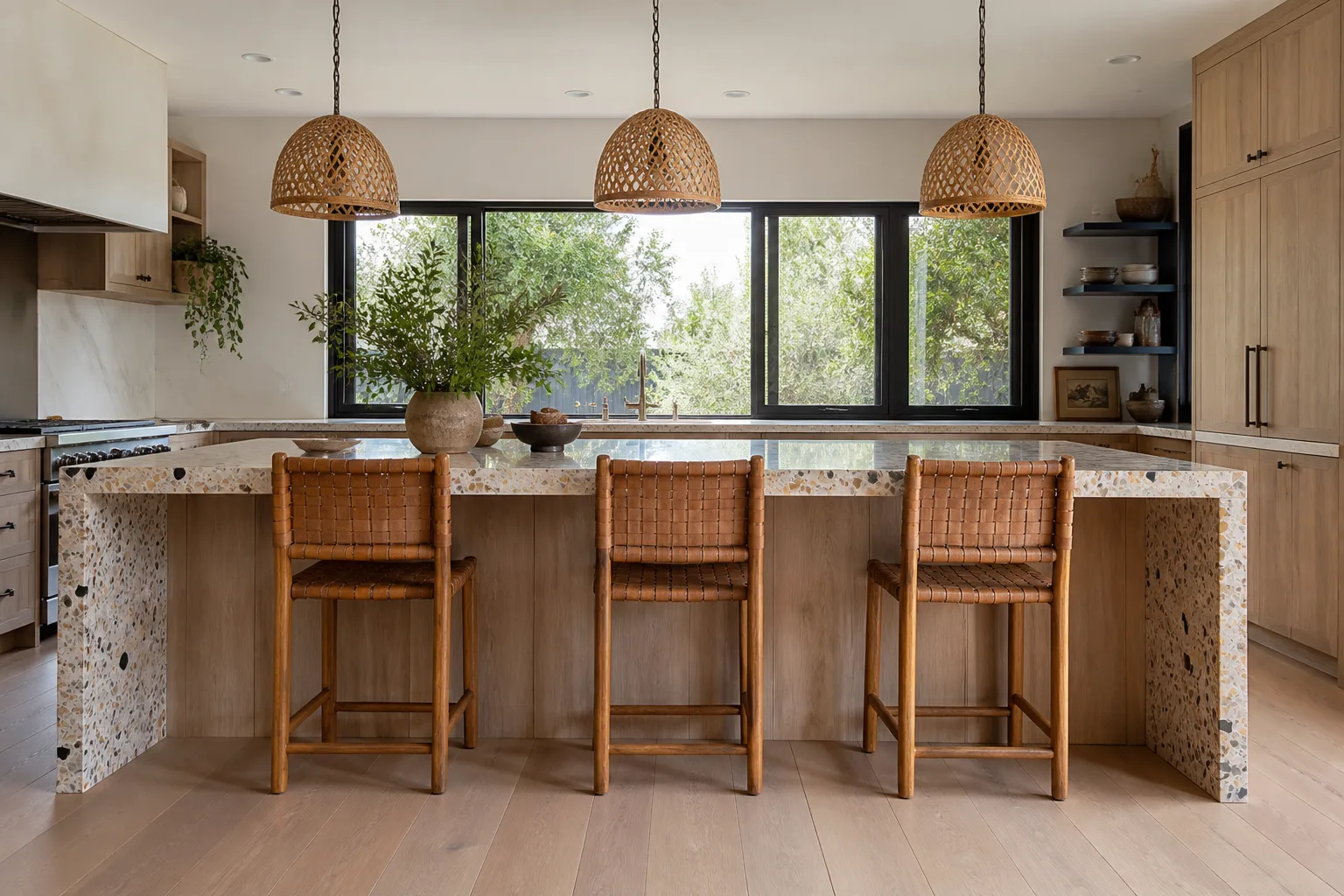
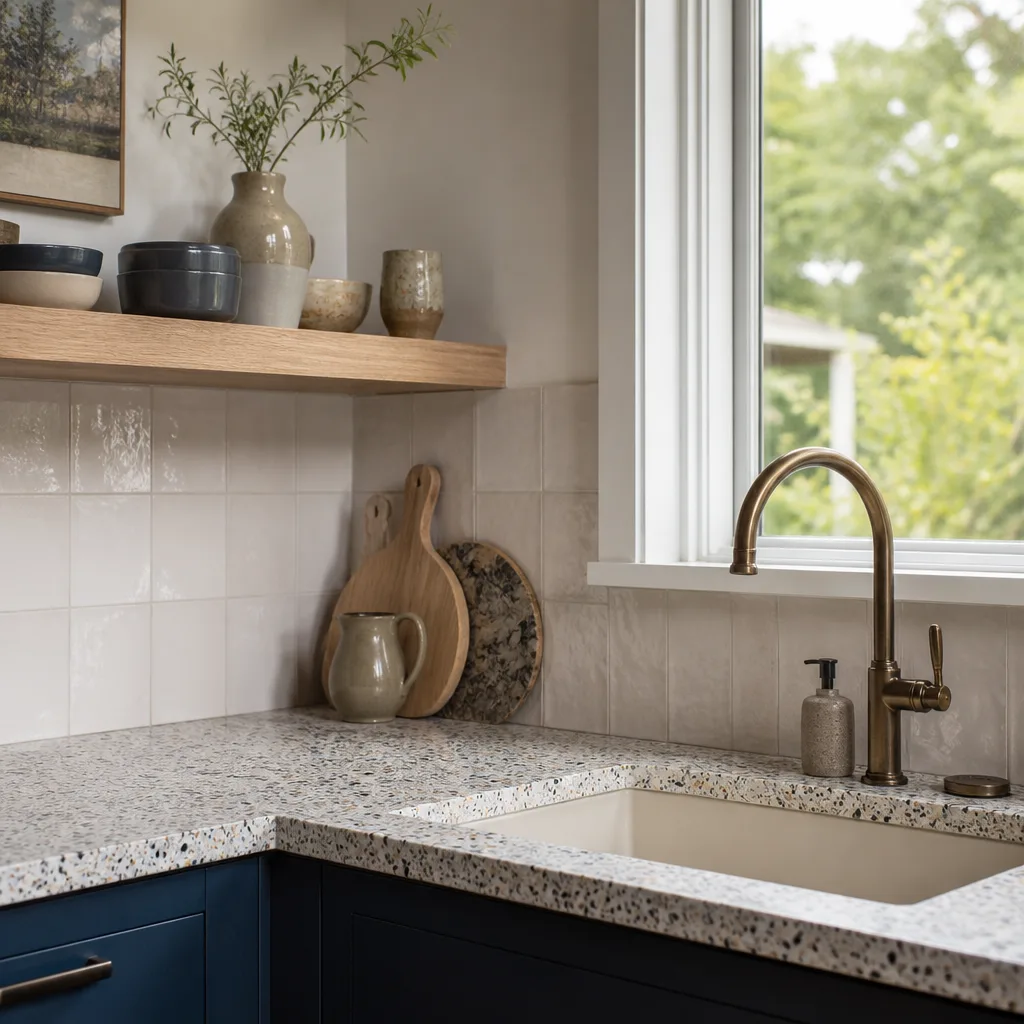
We work with the full Caesarstone catalog, but in San Diego’s ADU and addition market, three lines dominate: the Classico series for budget-conscious ADU kitchens and laundry rooms, the Supernatural series for homeowners who want deeper veining and more realistic stone movement, and the Outdoor series for San Diego’s covered patio kitchens and outdoor bars where UV exposure is a daily reality, not an afterthought.
Here’s the compatibility gotcha most homeowners miss: Caesarstone slabs are not all the same thickness, and your fabricator’s templating has to match the material spec exactly. Most indoor San Diego installs use 2 cm (¾”) or 3 cm (1¼”) slabs. The 2 cm material needs edge buildup and support rails to look right and hold up over time. The 3 cm material sits directly on the cabinets with no buildup needed. If you’re matching an existing Caesarstone surface, check the underside for the printed slab identification label. It gives you the color name, lot number, and thickness. Take a photo of it and we’ll match it from there.
OEM vs. aftermarket for Caesarstone surfaces: Caesarstone is a branded engineered quartz product, so there is no generic “aftermarket” equivalent the way there is for, say, a valve or a hinge. What you’re choosing is slab thickness, finish (polished, honed, or the newer concrete-textured finishes), and which fabricator is cutting and installing it. We use Caesarstone’s recommended fabrication practices because quartz is unforgiving if the fabricator cuts corners. A rushed seam will telegraph through within months, and in a home addition you’re living in, you’ll see it every single day.
We also stock and install complementary materials from KraftMaid cabinetry, Cambria and Silestone surfaces, so if Caesarstone isn’t the right fit for your project’s budget or lead time, you have options without chasing three vendors.
Styles & brands we work with







Signs Your Caesarstone Home Additions & ADU Is Failing
You won’t usually see a Caesarstone surface “fail” on its own. What you’ll see is the result of how it was installed or what’s happening underneath it. Here’s what we see most often on San Diego additions and ADUs:
- A seam you can see and feel. The installer didn’t level the cabinet boxes before templating or didn’t use suction clamps during the seam set. Quartz seams should be tight, uniform, and nearly invisible to a fingertip.
- Cracking at the sink or cooktop cutout. That’s a support problem, not a slab problem. The cutout corners need radius, not sharp right angles, and the slab needs support rails crossing the cabinet span. Skip either and the material will crack under its own weight plus daily use.
- Discoloration along the perimeter of the slab. Water is wicking into the seam or the backsplash joint. In San Diego’s coastal humidity patterns, any gap in the silicone seal gets worse fast, especially in ADUs that sit empty for weeks between tenants.
- Chipping along the front edge in a high-traffic path. This is common in ADU kitchens with tight clearances. The 2 cm edge buildup is taking impacts from hip bags, grocery totes, and kids. A full-height 3 cm slab with a radiused edge holds up far better in the same space.
- A slab that’s visibly out of level on one end. The base cabinets settled or were installed out of level, and the fabricator shimmed the stone instead of fixing the boxes. It looks fine for a month. Then water pools at one corner, silicone fails, and you’re chasing water damage in a brand-new addition.
Two more San Diego-specific realities: ADU and addition projects near the coast deal with more airborne moisture and salt, so we use stainless steel support hardware and premium silicone throughout. And in a city where exterior living space gets as much use as the interior, outdoor Caesarstone needs periodic re-sealing of the perimeter joints. UV exposure breaks down silicone faster than people think.
See the difference
 Before
 After
After Before
 After
After Before
 After
AfterReplacement Cost & What’s Included
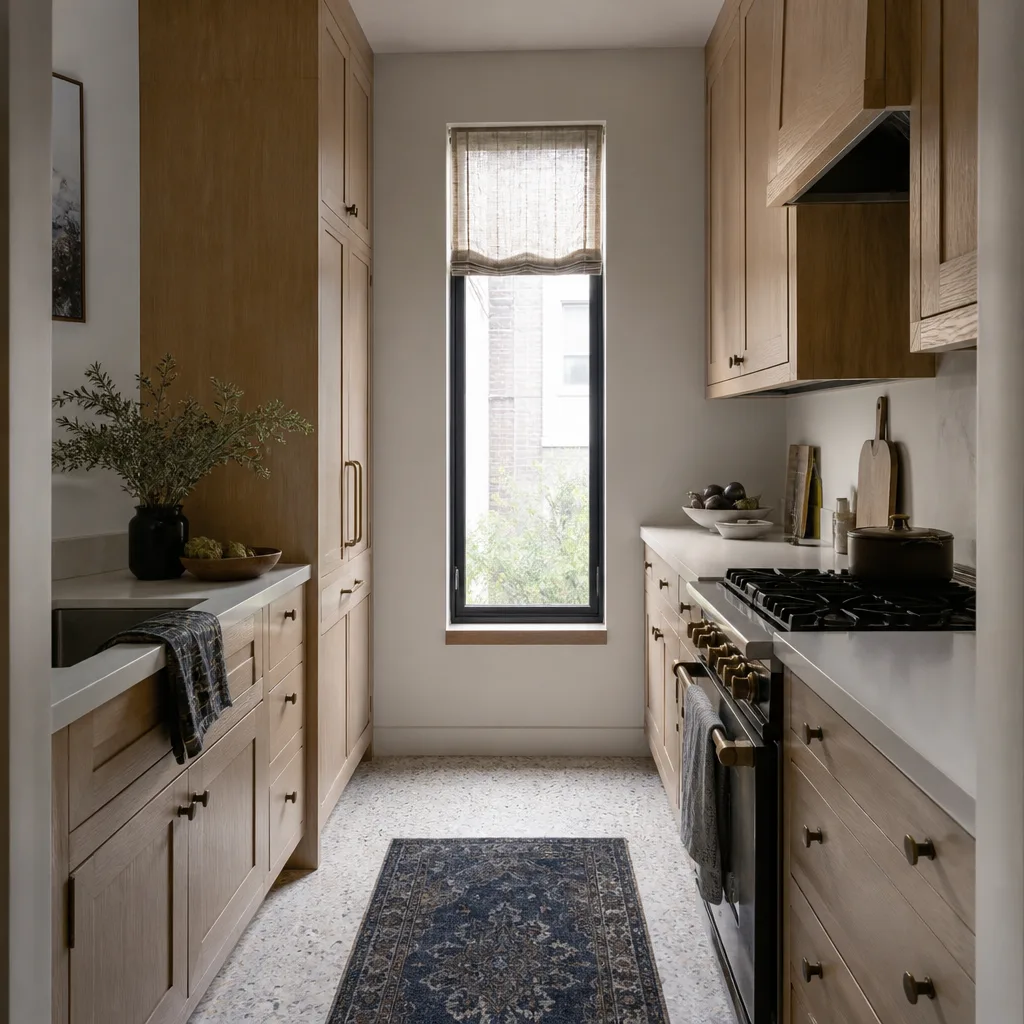
For Caesarstone work inside a San Diego home addition or ADU, here’s what you can expect in real numbers:
| Scope | Installed Price Range (San Diego) |
|---|---|
| Caesarstone kitchen counter (new addition, ~30 sf) | $2,360 – $7,670 |
| Caesarstone vanity top (ADU bath) | $945 – $3,540 |
| Caesarstone island surface (addition kitchen) | $3,540 – $11,800 |
| Full ADU surface package (kitchen + bath + wet bar) | $6,000 – $15,000 |
| Home Addition (overall project with Caesarstone surfaces) | $53,100 – $153,400 |
| ADU Construction (overall project, Caesarstone included) | $106,200 – $259,600 |
What drives the spread? Slab size and color availability (some Supernatural colors carry a premium and longer lead time), counter square footage, edge profile complexity, whether you’re matching an existing Caesarstone color, and whether your cabinets need re-leveling before we set the stone.
Every quote we give in San Diego is a written price before any tool comes out of the truck. You’ll see the material line, the fabrication line, the install labor, and the haul-away for the old surface if you’re replacing one. No verbal estimate that grows on the final bill. The install itself is covered by the 365-Day Done Right Promise: if the work isn’t right within a year of completion, we make it right at no cost.
DIY or Call Us?
Tell me what’s broken. I’ll tell you what it takes. With Caesarstone, there is almost no DIY path that ends well, and here’s the honest version of why: quartz slabs weigh roughly 20 pounds per square foot. A typical kitchen counter slab in a San Diego addition runs 200 to 400 pounds. You cannot safely move, cut, or set that without proper equipment, a templated cut file, and fabrication tools that cost more than the install itself. One dropped slab destroys the slab, the cabinets, and anything in the fall path.
What you can safely do is document what’s happening. Photo the label under the slab. Measure the run and note whether it’s 2 cm or 3 cm. Check whether the base cabinets are level. Then call us at (619) 673-9302. We’ll put eyes on it, tell you exactly what’s needed, and give you the written number before you commit to anything. Estimates are free, and a real person answers the phone.
FAQs
Caesarstone quartz surfaces have a manufacturer’s warranty that runs 10 years or more depending on the series, but the real world says an engineered quartz counter that was fabricated and installed correctly should last 25+ years in a San Diego residential setting. The failure points are seams, edge buildup, and cutout corners, not the material itself. If those details are right, the surface will outlast the ADU’s first two tenants. Call (619) 673-9302 and we’ll tell you if what you’re seeing is normal wear or an install defect we should fix.
Small chips and edge nicks can often be repaired in place with color-matched epoxy and polishing, especially on darker colors where the repair blends better. A crack that runs through the slab, a failed seam that keeps separating, or significant thermal damage usually means replacement of that slab section. Call (619) 673-9302 and describe or send a photo of the damage. We’ll tell you honestly whether it’s repairable before we ever send a crew out.
A standard replacement, from template to finished install, runs 2 to 3 weeks in San Diego, most of that being slab sourcing and fabrication time. The actual removal of the old surface and installation of the new one typically happens in a single day. If we’re matching an existing Caesarstone color, the lead time depends on what’s in stock locally versus what has to be ordered from the regional distribution center. Call (619) 673-9302 for a current lead time on your specific color.
We order Caesarstone slabs per project from the San Diego regional distribution network, and we templated, fabricate, and install through our own crews. We do not warehouse slabs, because quartz colors are chosen per project and sitting inventory creates waste that drives up your price. What we do have is direct access to current San Diego stock lists for all major Caesarstone colors, so we can tell you within a day or two what’s available and what’s backordered. Call (619) 673-9302 with your color name and we’ll check while you’re on the phone.
Written by Isaac Pruett, Owner, Mason Remodeling Co San Diego at Mason Remodeling Co San Diego, serving San Diego and nearby areas.


