
Free written scope consultation - allowances, timeline, and change-order rules on paper before a single trade is scheduled
IKO Home Additions & ADU: The San Diego Owner’s Guide
IKO home additions and ADU construction in San Diego typically runs $53,100 to $153,400, with full detached accessory dwelling units ranging from $106,200 to $259,600 depending on square footage, site conditions, and finish level. Most owners discover they need this scale of work when their existing space no longer functions, a family member needs independent living quarters, or a home addition reaches the point where patching it piecemeal costs more than rebuilding it properly. If you’re here because a previous addition is failing, an ADU conversion stalled, or you’re planning new square footage around an IKO-roofed structure, you’ll want the full picture before anyone starts swinging a hammer.
We’re Mason Remodeling Co San Diego, and we’re an independent contractor. We are not affiliated with IKO, but we work around IKO-roofed structures constantly, and we know how their systems integrate with additions and ADU builds across San Diego County.
Key Takeaways
- Full home additions in San Diego: $53,100 – $153,400 installed.
- Detached ADU construction: $106,200 – $259,600 depending on site work and utility runs.
- Every project gets a written price before work starts, never a verbal estimate that grows.
- Our 365-Day Done Right Promise covers the work for a full year from completion.
Which IKO Models This Applies To
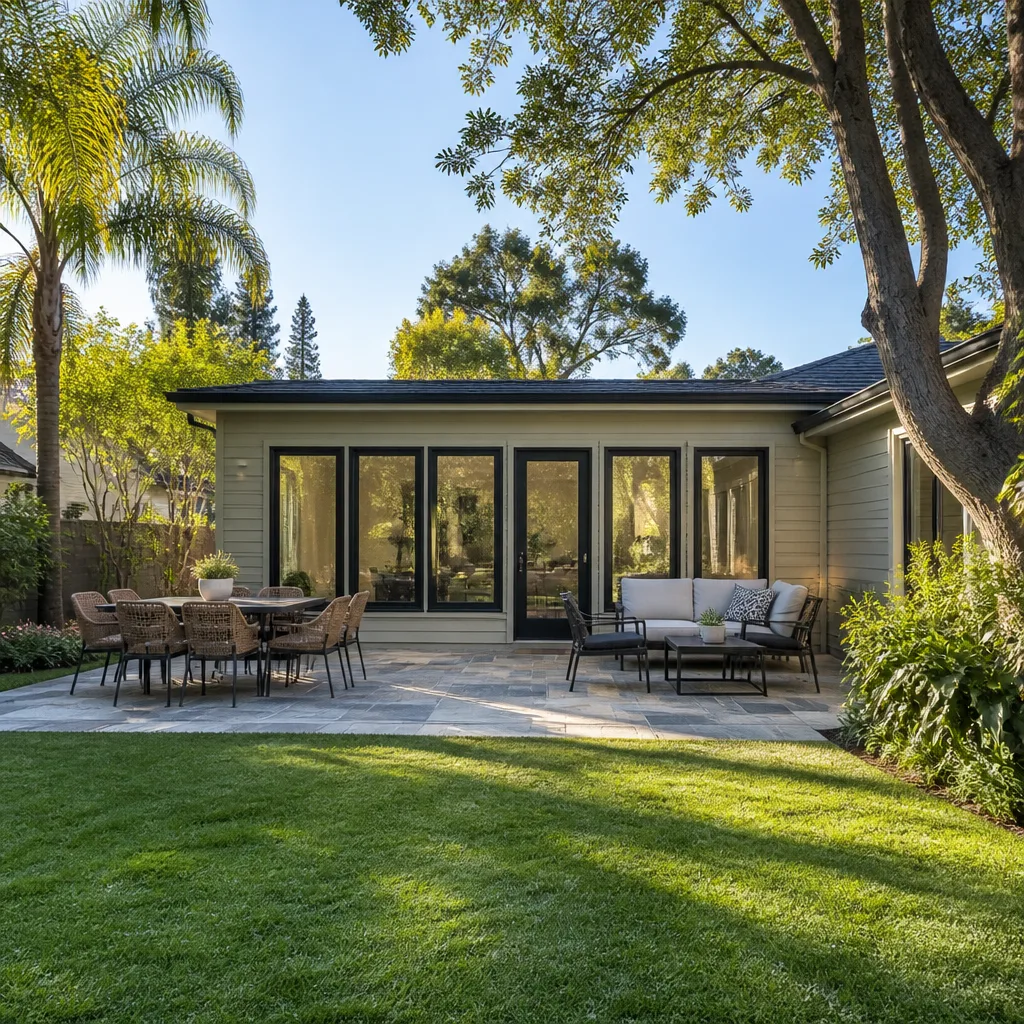
When we tie a new addition or ADU into an existing IKO roof, the compatibility question isn’t about a single IKO part number. It’s about matching new roof planes to what’s already up there. IKO manufactures Cambridge, Dynasty, Nordic, and Marathon asphalt shingle lines, plus the IKO ArmourGard synthetic underlayment and RoofGard ridge products. If your existing roof carries any of these, the addition’s roof needs to match or complement the existing profile, exposure, and color family, or you’ll see a visible seam where old meets new.
The gotcha most San Diego homeowners don’t know: IKO’s Cambridge line uses an 8-inch exposure on standard slopes, while Dynasty uses a slightly different laminate profile. Mixing the two on adjoining roof planes creates a visible step that no amount of flashing hides. We verify the existing shingle make, exposure, and color before we ever write the addition’s roof scope. And for ADU builds, we’re typically specifying IKO’s Cool Plus or Nordic lines because San Diego’s Title 24 energy requirements favor reflective shingle surfaces that reduce cooling load. That’s a real difference in our climate, not a marketing line.
Styles & brands we work with







Signs Your IKO Home Addition or ADU Is Failing
Most failed additions and ADUs in San Diego share the same handful of root causes. Here’s what we see on service calls, and what each symptom actually means:
- Visible sag or deflection in the roofline where the addition ties in. This usually means the original contractor undersized the ridge beam or the connection to the main house wasn’t engineered. In older San Diego homes near the coast, we also see salt air eating through untreated hangers and straps.
- Moisture staining on interior ceilings where the new roof meets the old. The valley where an addition ties into an existing IKO roof is the number one leak point. Flashing detail fails first here, especially with San Diego’s winter rain pattern of short but intense downpours.
- Doors and windows in the addition that stick seasonally. Poor foundation work or missing compaction causes differential settling. San Diego’s clay-heavy soils in inland areas like Escondido and Poway expand and contract more than most people realize.
- Electrical circuits in the addition trip repeatedly. Undersized subpanels are common in unpermitted ADU conversions. The panel works fine until a space heater, AC unit, and washer run simultaneously, then the breaker trips.
- Drywall cracks running at 45-degree angles from window and door corners. This is the classic signature of shear wall problems or a missing hold-down. It’s structural, not cosmetic, and it doesn’t fix itself with caulk and paint.
See the difference
 Before
 After
After Before
 After
After Before
 After
AfterReplacement Cost & What’s Included
For San Diego specifically, here’s what our pricing looks like across the most common scopes. These are installed ranges including materials, labor, permits, and site work:
| Project Type | San Diego Installed Range |
|---|---|
| Home Addition | $53,100 – $153,400 |
| ADU Construction (detached) | $106,200 – $259,600 |
| Garage Conversion | $35,400 – $94,400 |
| Paver Patio Installation | $4,130 – $12,980 |
| Concrete Driveway Installation | $5,310 – $14,160 |
What drives the range on an addition is mostly three things: foundation type (slab-on-grade costs less than raised with new footings), kitchen or bath count inside the addition, and whether the tie-in requires reframing part of the existing roof. ADUs carry their own variables: utility trenching distance, sewer connection depth, and whether the site requires retaining walls or grading. We deliver a written price before any work starts, and that number doesn’t change unless you change the scope. Our 365-Day Done Right Promise covers the completed work for 365 days from the completion date. If something isn’t right within that year, we fix it at no cost to you.
DIY or Call Us?
For a failing addition or ADU, there’s very little an owner can safely patch. You can and should check the obvious: inspect the valley flashing from the ground with binoculars, look for lifted shingles after storms, and note any new drywall cracks so you can tell us when they appeared. But the actual repair work here isn’t a weekend project. We’re talking about structural connections, roof plane transitions, and electrical or plumbing tie-ins to the main house. One wrong decision on shear wall placement or valley flashing details can cause thousands in hidden damage, and a roof tie-in done wrong will leak into both the old and new structure simultaneously.
Isaac Pruett, our owner, puts it plainly: “Tell me what’s broken. I’ll tell you what it takes.” If you’re seeing any of the failure signs above, or you’re planning an addition or ADU and want to know the real cost before committing, call us at (619) 673-9302. We’ll walk you through the scope and get you a written price.
FAQs
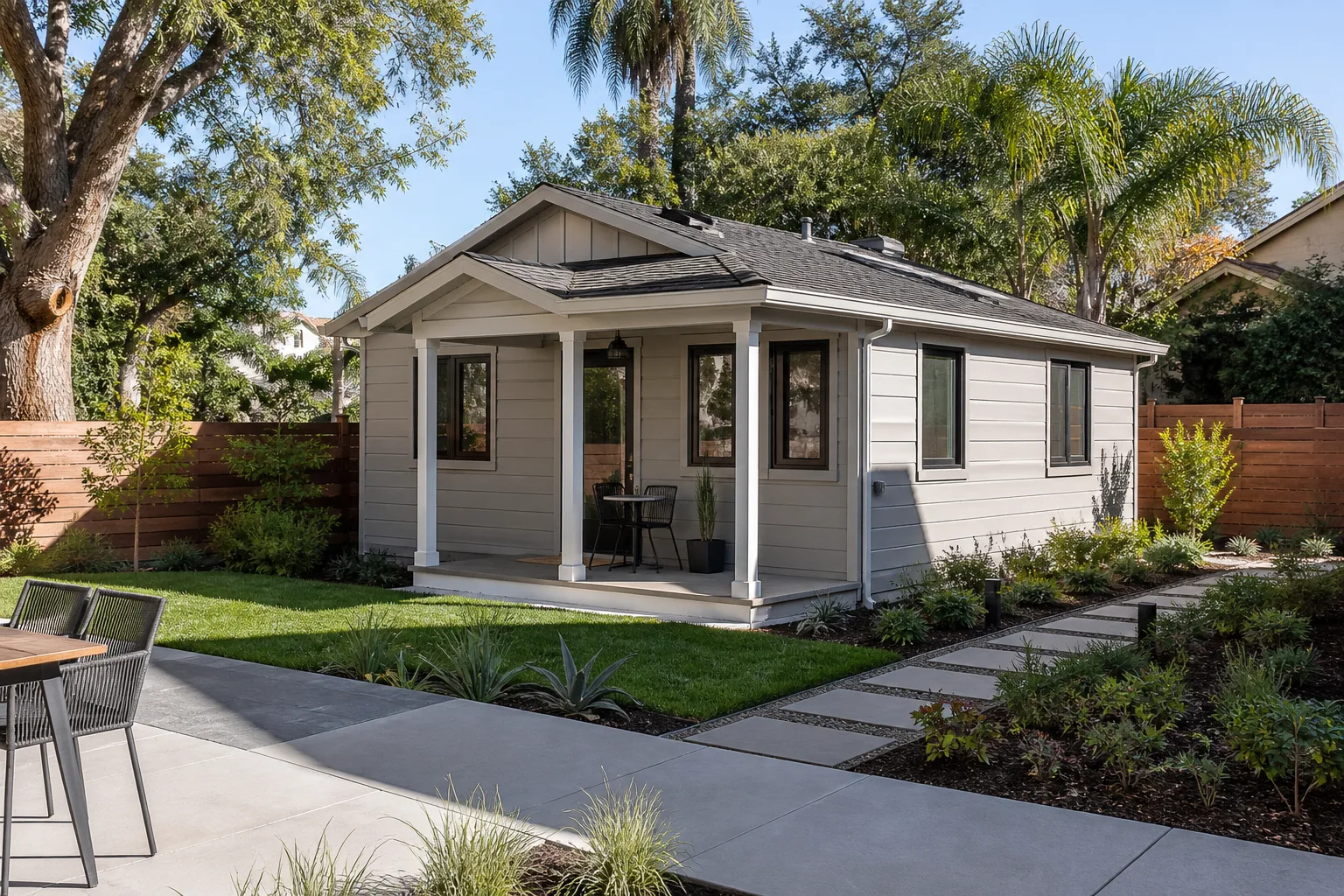
A properly built addition or ADU in San Diego should last 50-plus years on the structural framing and foundation, with roofing components lasting 20 to 30 years depending on exposure. The first things to need replacement are typically the roofing materials (especially on unshaded south-facing slopes), caulking and sealants around windows and doors, and any exterior wood trim. Coastal salt air in areas like Point Loma and Ocean Beach accelerates metal corrosion on hangers and fasteners, so we spec heavier-gauge hardware on coastal projects. Call (619) 673-9302 if you want us to assess the condition of an existing addition.
Yes, many additions can be repaired rather than rebuilt, but it depends entirely on what’s failing. Leaking valleys and lifted shingles are usually straightforward fixes. Structural sag, foundation settling, and shear wall failures often require opening up walls and may cost as much as rebuilding the affected section. The honest answer is that you won’t know until someone qualified looks at it, which is why our written price always follows an actual site visit, not a phone description.
A garage conversion typically takes 3 to 4 months from start to finish. A detached ADU runs 5 to 8 months depending on site work and utility trenching. A full home addition runs 4 to 7 months. The biggest scheduling variable in San Diego is permit review time, which varies by city. We pull all permits and manage inspections as part of every project, and our written price reflects any permit-related timeline realities before we start.
For new additions and ADU builds, we source IKO shingles, underlayment, and ridge products to match or correctly complement your existing roof. We also carry material lines like KraftMaid cabinetry, Cambria and Silestone countertops, and Kohler and Moen fixtures for the interior finish work, because spec-grade materials matter when the structure has to perform for decades. We’re not a parts counter, but we coordinate the entire material package so you don’t have to chase down mismatched supply orders.
Written by Isaac Pruett, Owner, Mason Remodeling Co San Diego at Mason Remodeling Co San Diego, serving San Diego and nearby areas.


