
Free written scope consultation - allowances, timeline, and change-order rules on paper before a single trade is scheduled
CWS Home Additions & ADU: The San Diego Owner’s Guide
If you’re planning a CWS home addition or ADU in San Diego, the full project typically runs $53,100 to $153,400 depending on square footage, foundation work, and finish level. We handle complete CWS-compatible additions and ADU builds from the ground up, and the most common call we get starts with a smaller, more specific problem: a single system within the addition is failing while the rest of the structure is sound. Maybe the bathroom in the new wing has a leak at the shower pan, or the kitchen’s cabinetry is delaminating from coastal moisture, or the door frames have settled enough that the doors bind. You don’t need to tear down the whole addition. You need the failing part matched, replaced, and brought back to spec.
We’re an independent San Diego contractor, not affiliated with CWS. That means we call parts and systems what they actually are, and we recommend what works in this climate, not what a manufacturer’s warranty flowchart says.
Which CWS Models This Applies To
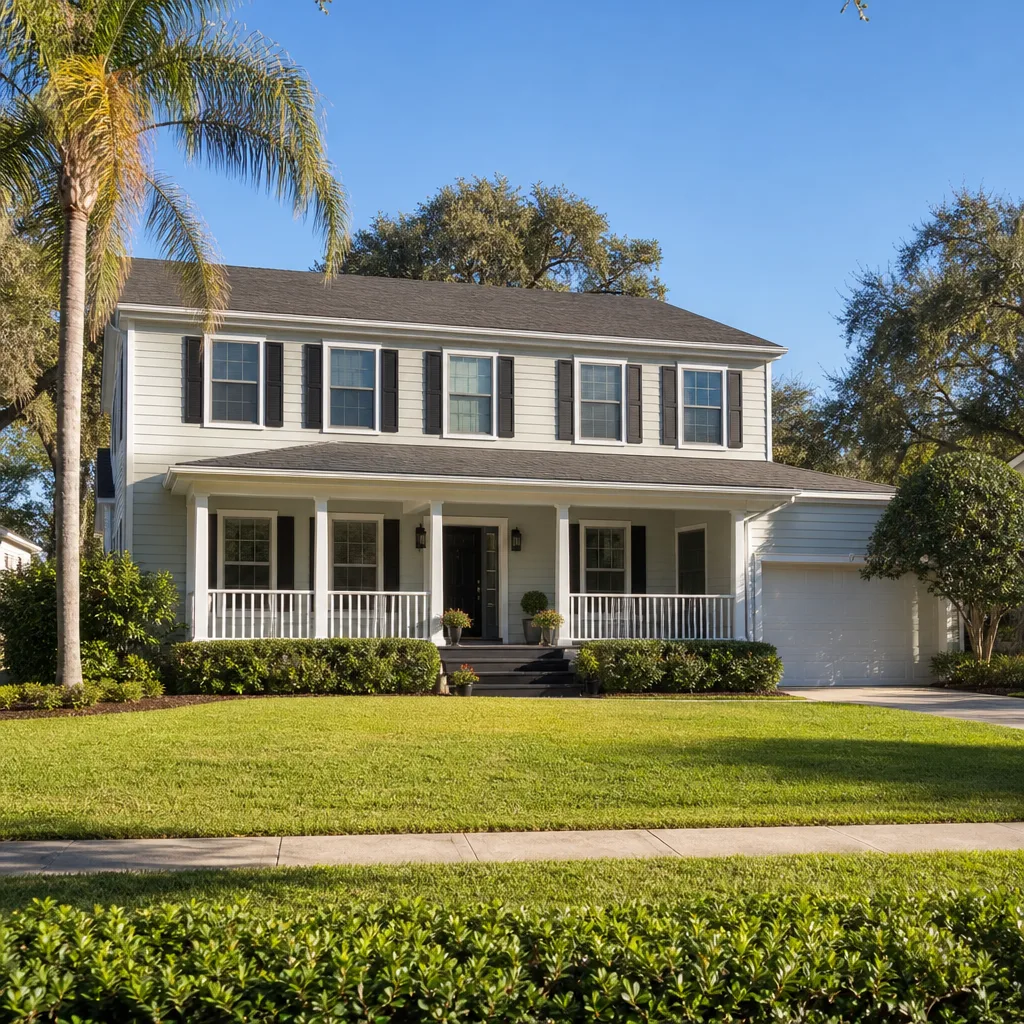
CWS additions and ADUs in San Diego County come in a few recurring configurations, and the compatibility question usually comes down to what was framed and finished during the original build. We see two common CWS construction eras in this market: wood-framed additions with standard 16-inch on-center studs and stucco exteriors, and more recent prefabricated panel or modular ADU shells with engineered wall systems. The part that’s failing dictates which era you’re dealing with.
Before you order anything, look for the build plate or permit placard, usually mounted in the utility closet or near the electrical subpanel. It’ll list the CWS model designation and often the year. If you can’t find it, measure the wall thickness at a door jamb: true 2×4 framing with drywall on both sides lands around 4-1/2 to 4-9/16 inches. Engineered panel systems run thinner or thicker depending on insulation depth. Getting this measurement right before ordering a door, window, or trim kit saves you a return trip and a restocking charge. For CWS-specific interior parts, OEM is usually the safest match, but for plumbing fixtures and lighting, quality aftermarket equivalents from the same spec series typically fit and often outlast the originals.
Styles & brands we work with







Signs Your CWS Home Additions & ADU Is Failing
- Doors suddenly stick or leave a gap at the top latch. This usually means the addition’s foundation or stem wall has settled unevenly, common in San Diego’s expansive clay zones like parts of Spring Valley and Lemon Grove. The door itself isn’t the problem; the jamb is now out of square.
- Caulk lines at windows and baseboards crack repeatedly within months of re-caulking. That’s differential movement between the original house and the addition. The fix is often a proper expansion joint or re-flashing, not another tube of caulk.
- The shower pan in the ADU bathroom stays damp or weeps at the curb. CWS-era pans in some builds used a PVC liner without a proper pre-slope. Water sits, mildew grows, and eventually the subfloor rots. In coastal humidity like Point Loma or Ocean Beach, this happens faster than inland.
- Floors feel spongy or squeak in the same spot every time. The joist bridging or subfloor adhesive gave way. If you can access the crawlspace, you’ll often see the joist hangers have loosened, not the joists themselves.
- Electrical outlets in the addition trip the breaker when you run a space heater or small appliance. Some CWS additions were wired with 14-gauge circuits on a shared branch. Modern kitchen and bathroom loads don’t tolerate that. The wire needs a dedicated circuit, not a bigger breaker.
See the difference
 Before
 After
After Before
 After
After Before
 After
AfterReplacement Cost & What’s Included
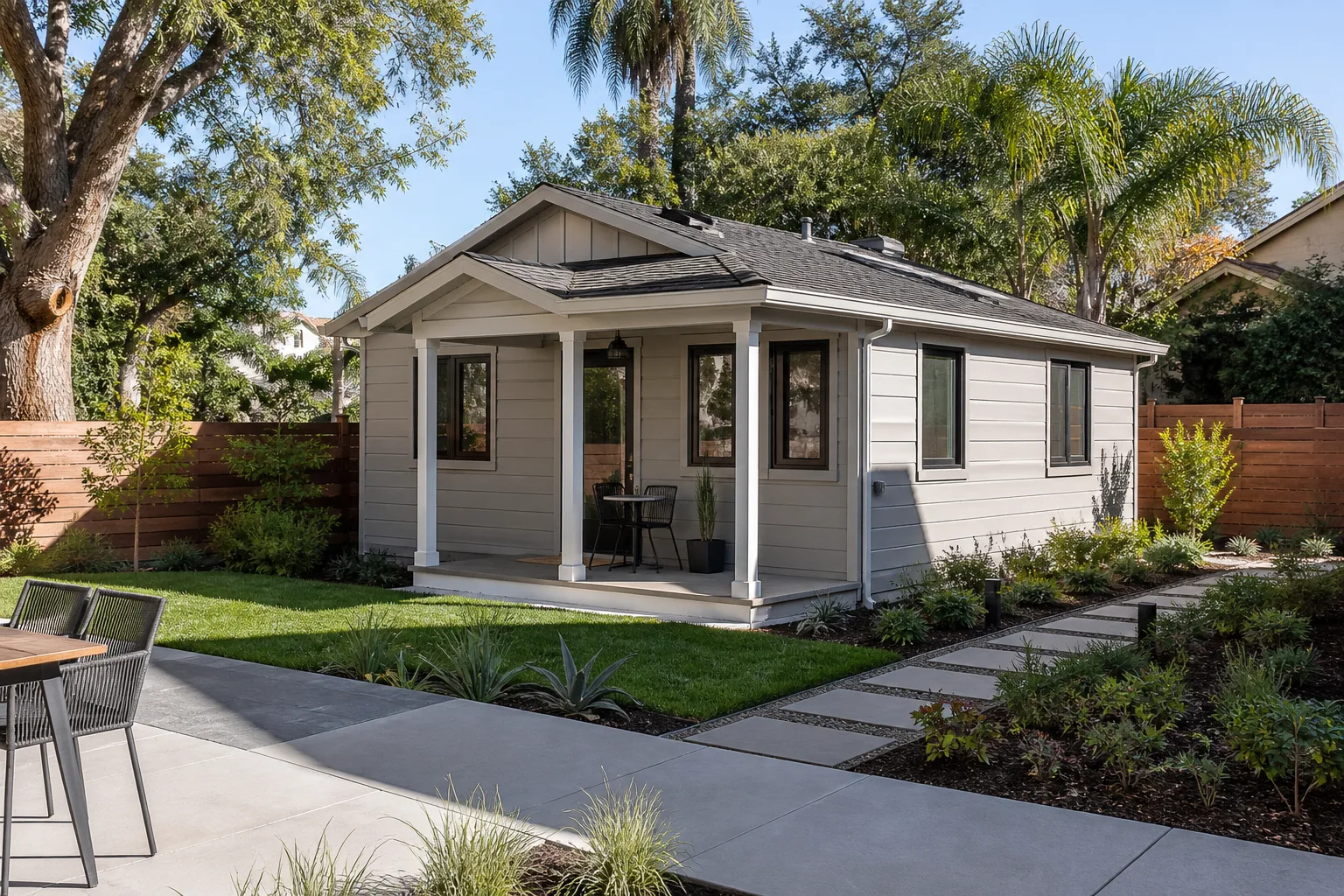
In San Diego, the cost to bring a failing CWS addition or ADU system back to working order varies widely because “parts” here span everything from a door slab to an entire roof assembly. A door replacement with jamb work runs $590 to $2,950. Replacing a failed shower pan or tub-to-shower conversion lands between $4,130 and $11,800. Fixing an undersized electrical circuit is typically $945 to $3,540 depending on panel access and run length. Full-scale rework of a CWS addition, meaning new subfloor sections, re-flashing, and reframing a settled corner, starts around $10,620 and can reach $33,040 for a bathroom-level rebuild.
Every quote includes the part number or specification, the labor, and what’s covered if you have to open a wall or pull up flooring to get there. Our written price comes before work starts, and the 365-Day Done Right Promise applies: if something we fixed isn’t right within a year, we return at no charge. No dispute process, no finger-pointing.
DIY or Call Us?
Some of this is safe to check yourself. You can measure a door jamb, test an outlet with a simple plug tester, or look under a crawlspace access panel with a flashlight. What you shouldn’t do is cut into a ceiling that might contain wiring, disconnect anything from your electrical panel, or pry open a shower pan liner thinking you’ll patch it. The dangerous part isn’t the pipe you can see; it’s the wire behind the drywall and the wet subfloor you’re standing on.
Isaac Pruett has seen enough sideways tile and surprised wiring in San Diego additions to say this plainly: tell us what’s broken, we’ll tell you what it takes. Call (619) 673-9302 and we’ll put someone on the phone who can actually answer your question.
FAQs
A properly built CWS addition in San Diego’s climate should go 30 to 50 years before structural components need real attention, but the finish systems wear out sooner: caulk and flashing at 5 to 10 years, shower pans at 10 to 20, and doors or windows at 15 to 25 depending on sun exposure. Coastal salt air accelerates metal fasteners and flashing on anything west of I-5. Call (619) 673-9302 if you want an honest read on whether your issue is normal wear or a construction defect.
Yes, in most cases the failing component gets repaired or replaced without touching the rest of the structure. We evaluate whether the root cause is isolated, like a single failed window, or systemic, like a foundation corner that keeps moving. If it’s isolated, you pay for the part and the labor to swap it. If it’s systemic, we tell you before we sell you anything.
Most single-component replacements, like a door or a section of failed flashing, take one day. A shower pan replacement runs two to three days because the mortar bed has to cure before tile goes down. Electrical circuit work usually finishes in a day. We give you a written schedule with the written price, so you know both before anything starts.
We stock common failure items on our trucks: door hardware, standard window sizes, flashing, caulk compounds rated for coastal exposure, shower pan liners, and drain assemblies. For CWS-specific trim, panel matching, or cabinetry from KraftMaid, Cambria, and Silestone lines, we order from our supplier network with a clear lead time. You’ll know if a part is on the truck or on order before we schedule the job.
If you’ve got a CWS addition or ADU in San Diego that’s starting to show its age, and you want a straight answer on what it costs to fix, call us at (619) 673-9302. We’ll schedule a free estimate, put the price in writing, and tell you exactly who’s coming to your door.
Written by Isaac Pruett, Owner, Mason Remodeling Co San Diego at Mason Remodeling Co San Diego, serving San Diego and nearby areas.


