

Free written scope consultation - allowances, timeline, and change-order rules on paper before a single trade is scheduled
James Hardie Roofing: The San Diego Owner’s Guide
If you’ve got a failed James Hardie roofing component, here’s the short version: we stock James Hardie-compatible roofing parts, we install them across San Diego County, and most replacements run $470 to $2,125 fully installed. We can typically match your part and schedule the repair the same week you call. The way most San Diego homeowners find out they have a problem is water where it shouldn’t be, a stain spreading on the ceiling, or a piece of fascia that’s started pulling away from the eave. James Hardie products are built for coastal weather, but nothing lasts forever against salt air and Santa Ana wind cycles. Tell me what’s broken. I’ll tell you what it takes.
One thing up front so there’s no confusion: Mason Remodeling Co San Diego is an independent service provider. We are not affiliated with James Hardie, and we don’t claim to be. What we are is a crew that’s worked with Hardie siding and trim products for years and knows how to match parts, flash them correctly, and make the repair look like it was always there.
Which James Hardie Models This Applies To
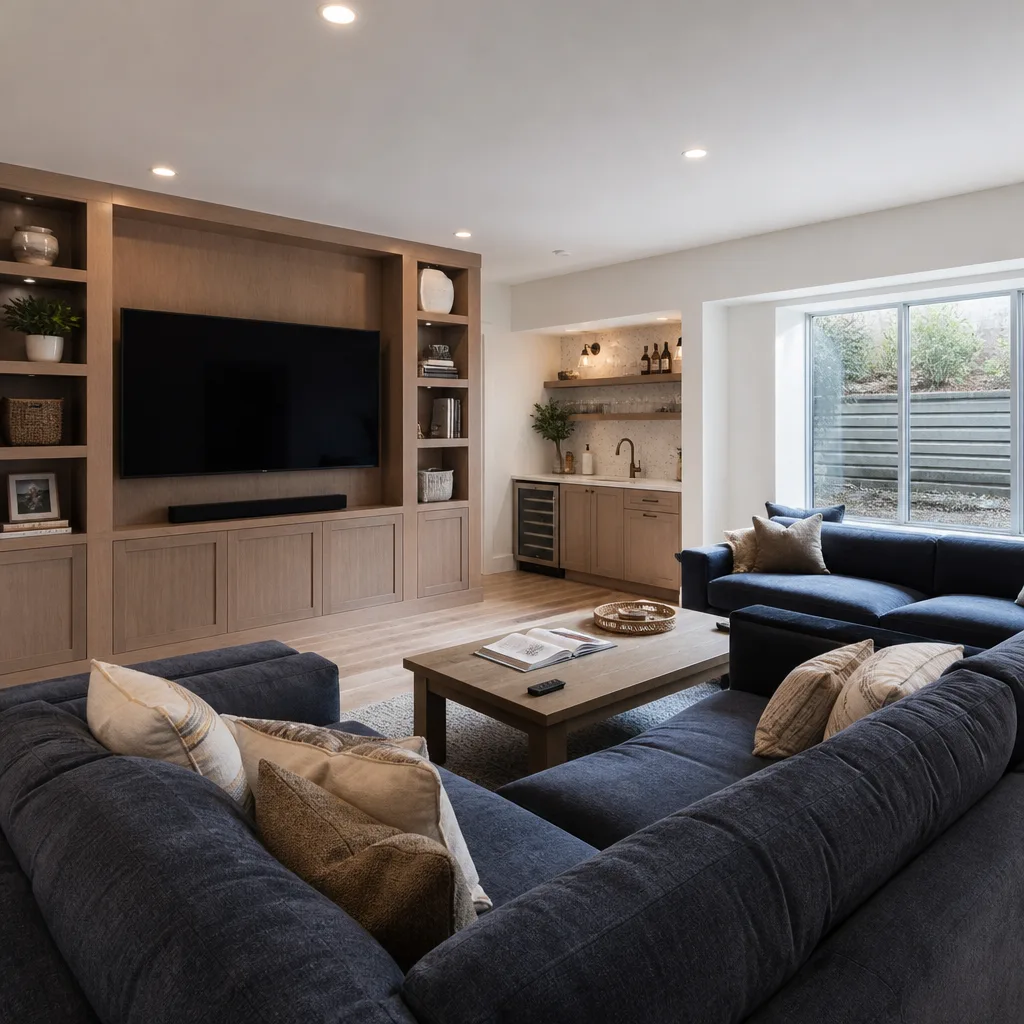
Most of the roofing-related failures we see in San Diego involve the trim and fascia components rather than the roof deck itself. James Hardie makes fiber cement siding and trim products, and on roofing the pieces that fail first are the HardieTrim boards, HardieSoffit panels, and the fascia that caps the eave line. If your home has HardiePlank lap siding running up to the roofline, the trim board at the top is almost always a HardieTrim product, and that’s the piece that takes the weather.
Here’s the compatibility gotcha most homeowners don’t know: HardieTrim comes in multiple profiles and thicknesses, and the 5/4 (one inch) fascia board is not interchangeable with the 4/4 (three-quarter inch) trim board. If you measure your existing board and get it wrong, the new piece won’t sit flush and water will find the gap. We match boards by width, thickness, and profile before we ever order material. On the soffit side, HardieSoffit comes in vented and non-vented panels, and San Diego homes built before 2010 often have the older smooth-finish panel that James Hardie no longer produces. In those cases we source a quality aftermarket fiber cement panel and match the paint line so the repair disappears. We also carry KraftMaid, Cambria, and Silestone parts for interior work, but for roofing the focus is fiber cement trim, soffit, and fascia done right.
Styles & brands we work with







Signs Your James Hardie Roofing Is Failing
- Peeling paint or chalky surface on fascia boards. Fiber cement holds paint well, but once the factory finish wears through and moisture gets into the board edge, the paint starts lifting in sheets. This is the earliest warning sign, and it’s cheap to address if you catch it before the board swells.
- Soft or swollen spots along the eave line. HardieTrim is cement-based, so it doesn’t rot like wood, but it does absorb water at cut edges that weren’t sealed. Swollen edges mean water’s been sitting where it shouldn’t, and the board is losing structural strength.
- Gaps opening at trim joints. In San Diego, temperature swings between coastal fog mornings and inland heat cause fiber cement to expand and contract. Caulk joints crack, gaps open, and water gets behind the board. If you can slide a quarter into a joint, it’s time to reseal or replace.
- Soffit panels sagging or pulling loose. The fasteners on older HardieSoffit installations sometimes back out after years of thermal cycling. A sagging panel restricts attic ventilation, which raises your cooling costs and invites moisture buildup in the roof assembly.
- Staining on the underside of the eave or water marks on exterior walls below the roofline. This means water is getting past the trim layer entirely and tracking down behind the siding or into the soffit framing. By the time you see it inside the house, the outside fix is straightforward but the interior repair adds cost.
Replacement Cost & What’s Included
In San Diego, James Hardie trim and fascia replacement typically runs $470 to $2,125 depending on linear footage, accessibility, and whether we’re replacing a single board or redoing an entire eave line. Here’s how that breaks down:
- Single board replacement (fascia or trim, up to 12 linear feet): $470 to $825
- Sectional soffit and fascia replacement (one eave, 12 to 30 linear feet): $825 to $1,400
- Full eave line replacement (multiple sides, includes priming and painting): $1,400 to $2,125
The price includes material, labor, fasteners, flashing, caulk, and paint-match on the new boards. What drives the range is height, roof pitch, and whether the existing framing underneath is sound. If we open up the eave and find rotted framing, we’ll show you before we do anything and give you a written price for the additional work. That’s the Mason Remodeling Co San Diego way: a written price before any work starts, every time. No verbal estimates that grow on the final bill. Every completed repair is covered by our 365-Day Done Right Promise, from the date of completion.
See the difference
 Before
 After
After Before
 After
After Before
 After
AfterDIY or Call Us?
Here’s the honest split. You can absolutely inspect your own fascia and soffit from the ground with a pair of binoculars. You can note where paint is peeling, where boards look swollen, and where caulk joints have cracked. That’s useful information to have when you call. What we don’t recommend is getting on a ladder and pulling boards off the eave line yourself. Fiber cement boards are heavy, awkward, and brittle at the edges. Working overhead on a ladder with a power saw and a 12-foot board is how people end up in urgent care. If the eave is higher than one story, or the roof pitch is steep, this stops being a weekend project. Call us at (619) 673-9302 and we’ll send someone out to look. You’ll have a written price before anything gets touched.
FAQs
James Hardie fiber cement trim boards typically last 30 to 50 years, but the factory paint finish lasts 10 to 15 years in San Diego’s coastal sun before it needs repainting. Boards with unsealed cut edges or failing caulk joints will fail much sooner, usually within 10 to 15 years in areas with direct exposure.
Yes, if the damage is limited to surface paint, minor edge swelling, or cracked caulk joints, we can often repair the board rather than replace it. If the board is cracked through, sagging, or has pulled away from the framing, replacement is the honest answer. Call (619) 673-9302 and we’ll tell you which one applies to your situation.
Most single-board or sectional replacements are completed in one day. A full eave line replacement on a standard two-story San Diego home takes two to three days, including paint.
We stock standard HardieTrim profiles, common soffit panels, and color-matched caulks and paints on the truck. Unusual profiles or colors we order per job, which usually adds one to two business days. Either way, you’ll have the written price before the material order goes in.
Get a Written Price for Your James Hardie Roofing Repair
If you’re seeing peeling fascia, a sagging soffit, or water staining below the roofline, call us at (619) 673-9302. You’ll talk to a real person, you’ll get a straight answer, and we’ll set up a time to look at the problem. Every visit starts with a written price before any work begins, and every repair is backed by our 365-Day Done Right Promise. We’ve been doing this work across San Diego County since 2004, and every tech who shows up at your door is background-checked, identity-verified, and introduced to you by name and photo before the visit. That’s the Threshold Standard, and it’s how we work on every job.
Written by Isaac Pruett, Owner, Mason Remodeling Co San Diego at Mason Remodeling Co San Diego, serving San Diego and nearby areas.


