
Free written scope consultation - allowances, timeline, and change-order rules on paper before a single trade is scheduled
Plant Prefab Home Additions & ADU: The San Diego Owner’s Guide
If you own a Plant Prefab home in San Diego and you’re planning an addition or an ADU, the installed price range you should be budgeting for is $53,100 to $153,400, and the work typically runs 4 to 9 months depending on scope, site conditions, and how quickly the city signs off on your permits. Most homeowners contact us because their Plant Prefab structure is performing fine, but the site connection points, foundation interface, or utility tie-ins are failing or were never detailed properly in the first place. You’ll usually notice it as cracks at the module seam, a floor that slopes where the addition meets the original unit, or water showing up at the transition flashing after a San Diego rain.
We’re an independent San Diego general contractor, not affiliated with Plant Prefab. That matters because it means we call out what’s actually wrong without a factory script. If you have a Plant Prefab panel, module, or connection detail that’s failing, we’ll match it, price it, and install it correctly. Tell me what’s broken. I’ll tell you what it takes.
Which Plant Prefab Models This Applies To
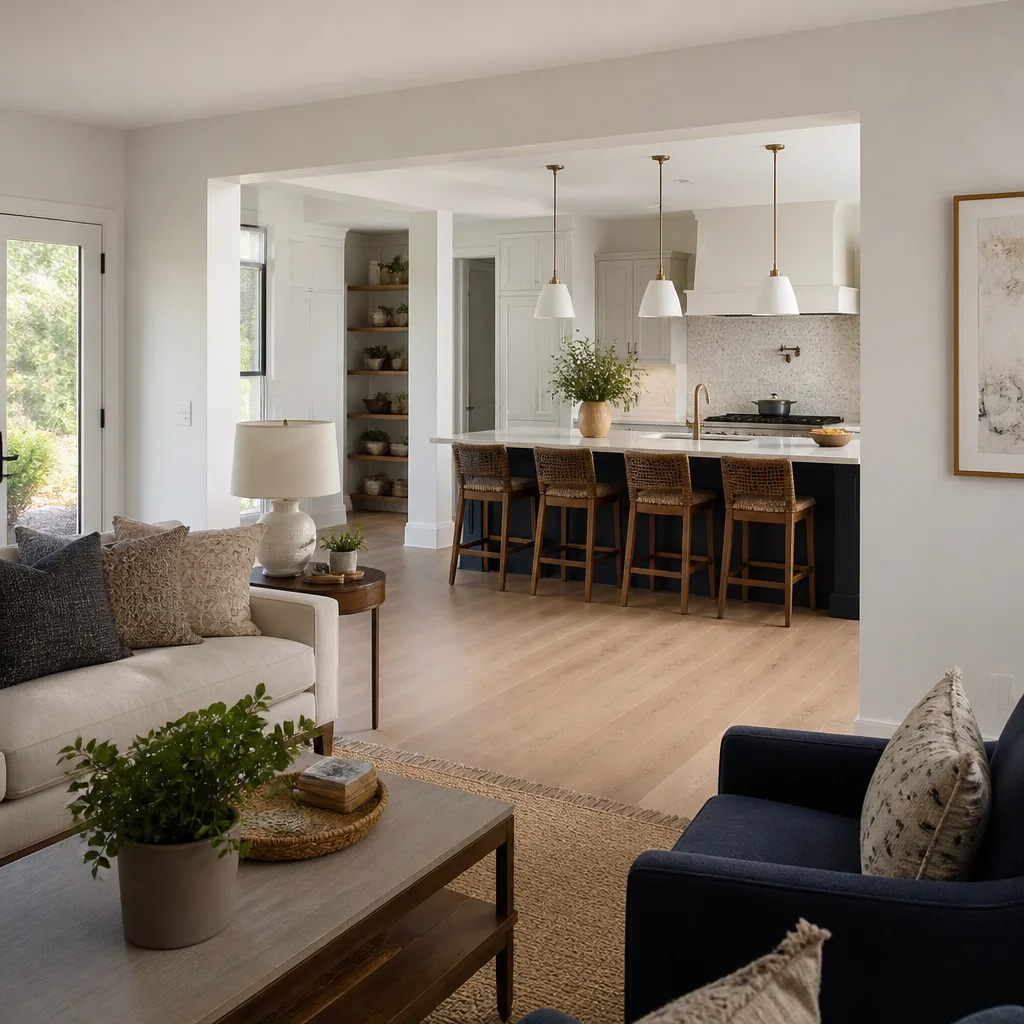
Plant Prefab builds panelized and modular systems, and the compatibility questions differ depending on which one you’re working with. Their LivingHome series (the YB1, YB2, C6, and R3 models in particular) uses a panelized wall and floor cassette system that connects to a site-built foundation with specific anchor bolt and hold-down patterns. The Plant Panels line is simpler: standardized wall, roof, and floor cassettes that any competent framer can integrate into an addition, provided the existing structure’s floor height and roof pitch are matched correctly.
Here’s the compatibility gotcha that trips up most San Diego owners: Plant Prefab module seams are engineered as movement joints, not rigid connections. If your addition is framed tight against the original module without the specified gap and flexible flashing detail, you’ll get drywall cracks at the seam within the first year, every time. The OEM connection hardware is proprietary, but quality aftermarket equivalents from Simpson Strong-Tie and Hilti meet or exceed the load specs at 30-40% less cost when the original hardware is backordered or discontinued. Check your original spec sheet for the exact hold-down model before you buy anything.
One more thing we see consistently in coastal San Diego neighborhoods: the original factory-applied weather barrier on Plant Prefab panels degrades faster within a mile of the ocean. We tell every owner in Point Loma, Ocean Beach, and Encinitas the same thing: if you’re adding on, replace the original barrier on the shared wall while the framing is open. It’s the cheapest time to do it.
Styles & brands we work with







Signs Your Plant Prefab Home Additions & ADU Is Failing
- Drywall cracks at the seam where the addition meets the original module. This is the most common failure, and it usually means the movement joint was detailed incorrectly or the new foundation settled differently than the original slab.
- A floor that slopes toward or away from the module connection even slightly. Plant Prefab floor cassettes are built to tight tolerances; if your addition’s floor framing was built an inch off, the transition becomes a trip hazard and a structural red flag.
- Water stains on the ceiling directly under the roof tie-in. The junction where a site-built roof meets a factory roof cassette is the single most leak-prone point in a Plant Prefab addition. In San Diego’s January rains, this shows up fast.
- Doors or windows in the addition that stick during summer months. San Diego’s temperature swings are mild, but the expansion difference between factory-built panels and site-built framing can bind openings when the connection isn’t designed to flex.
- Utility rough-in locations that don’t line up with the existing panel. If the original plumbing or electrical chases were mislocated during the addition’s framing, you’ll chase problems for years instead of days.
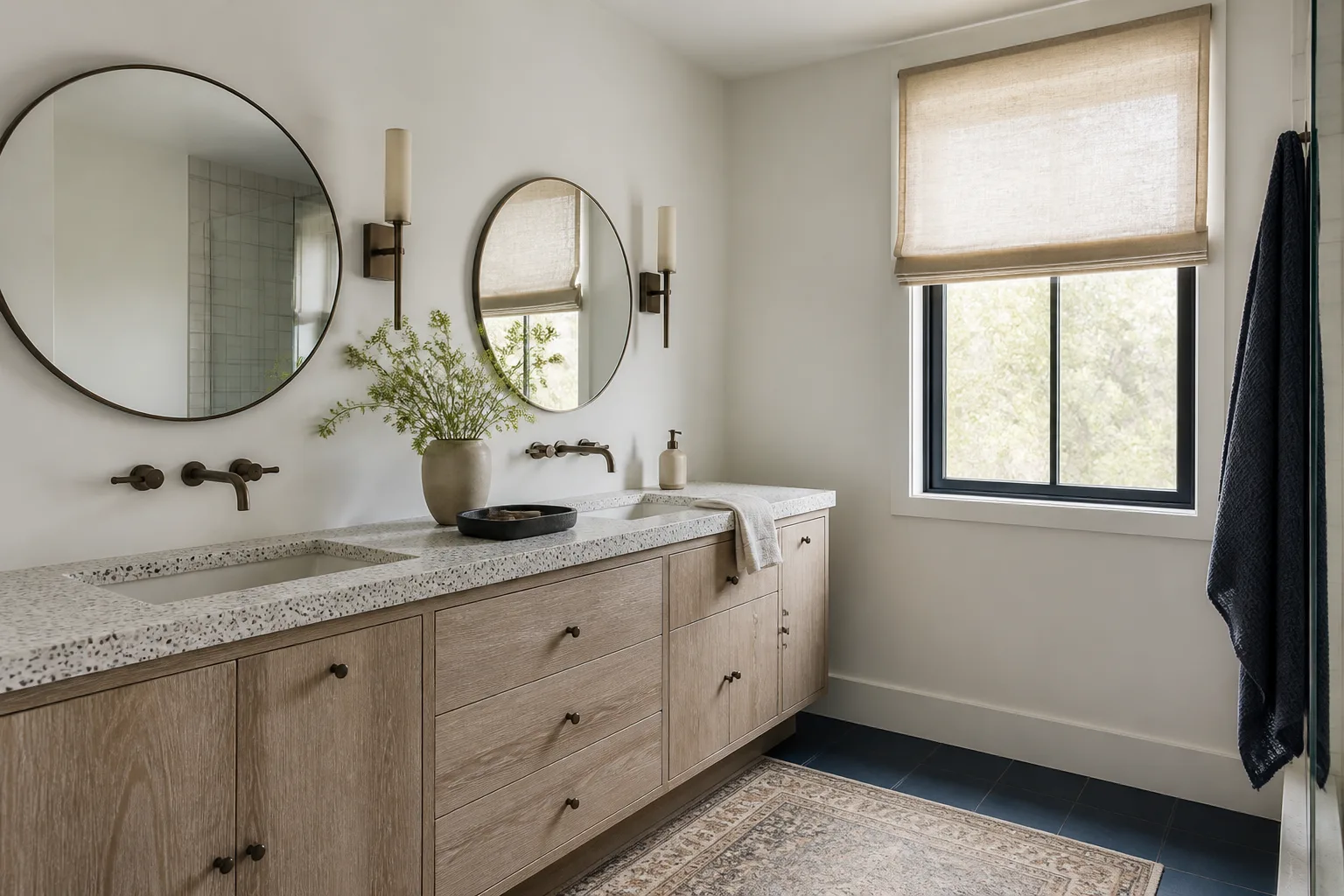
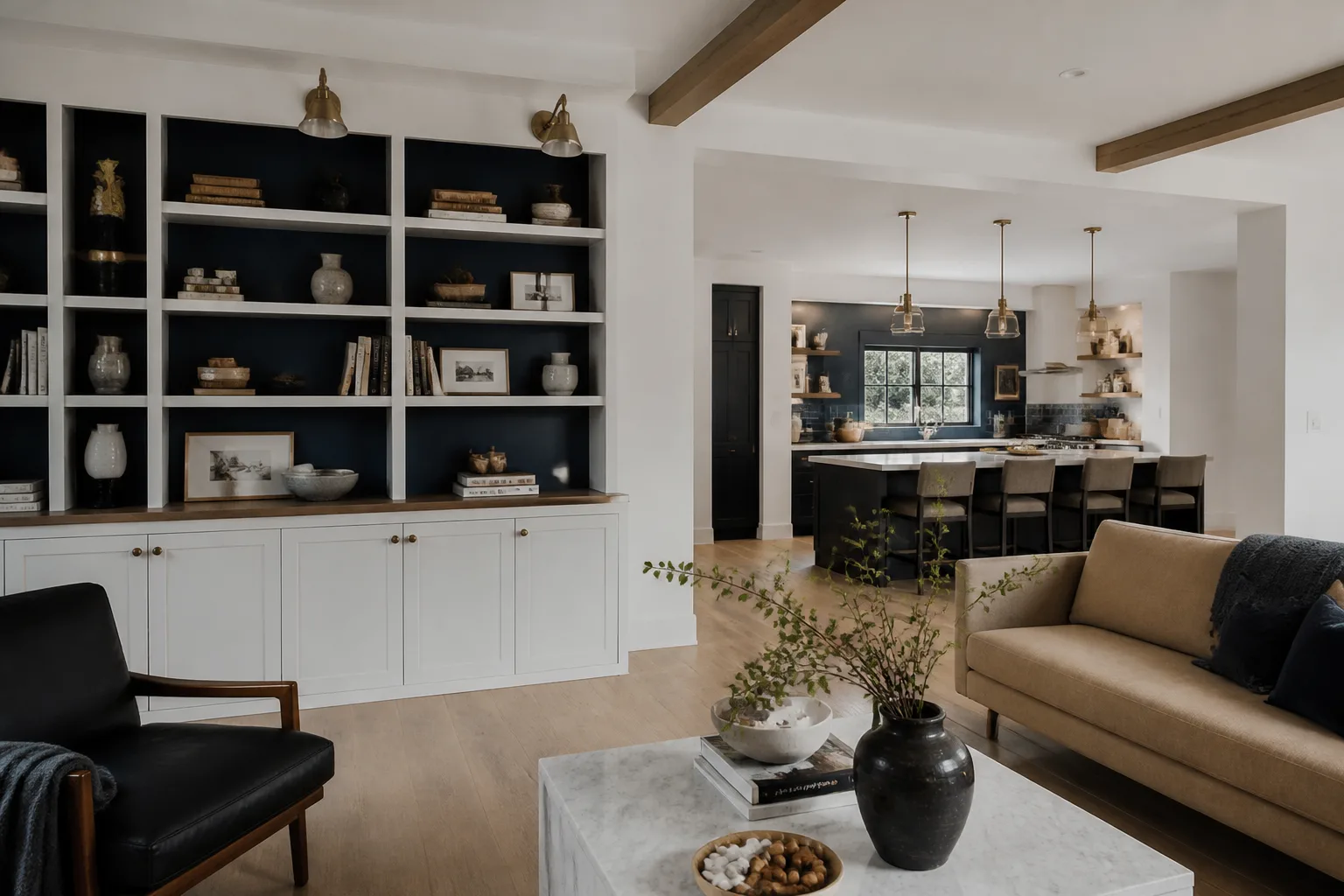
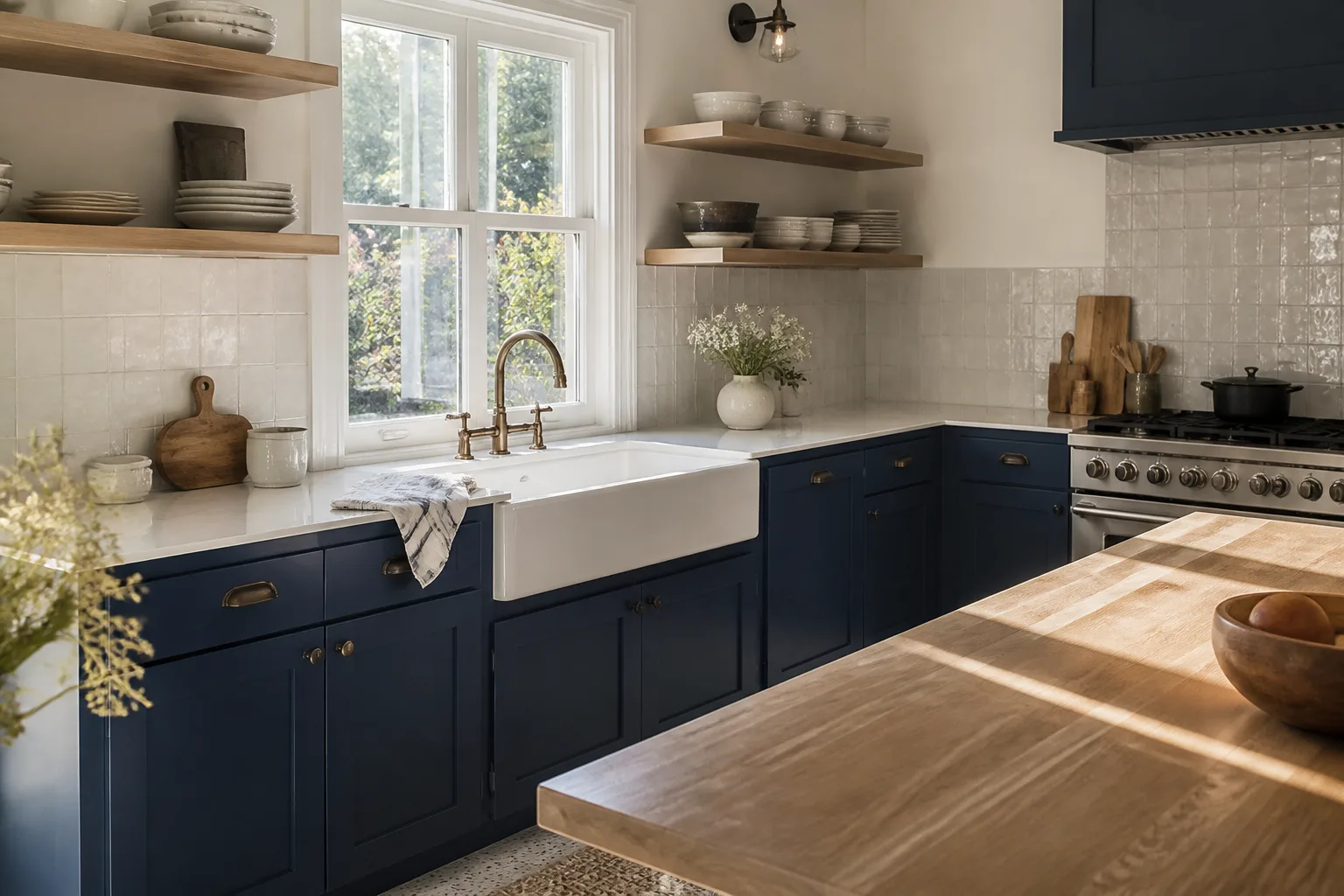
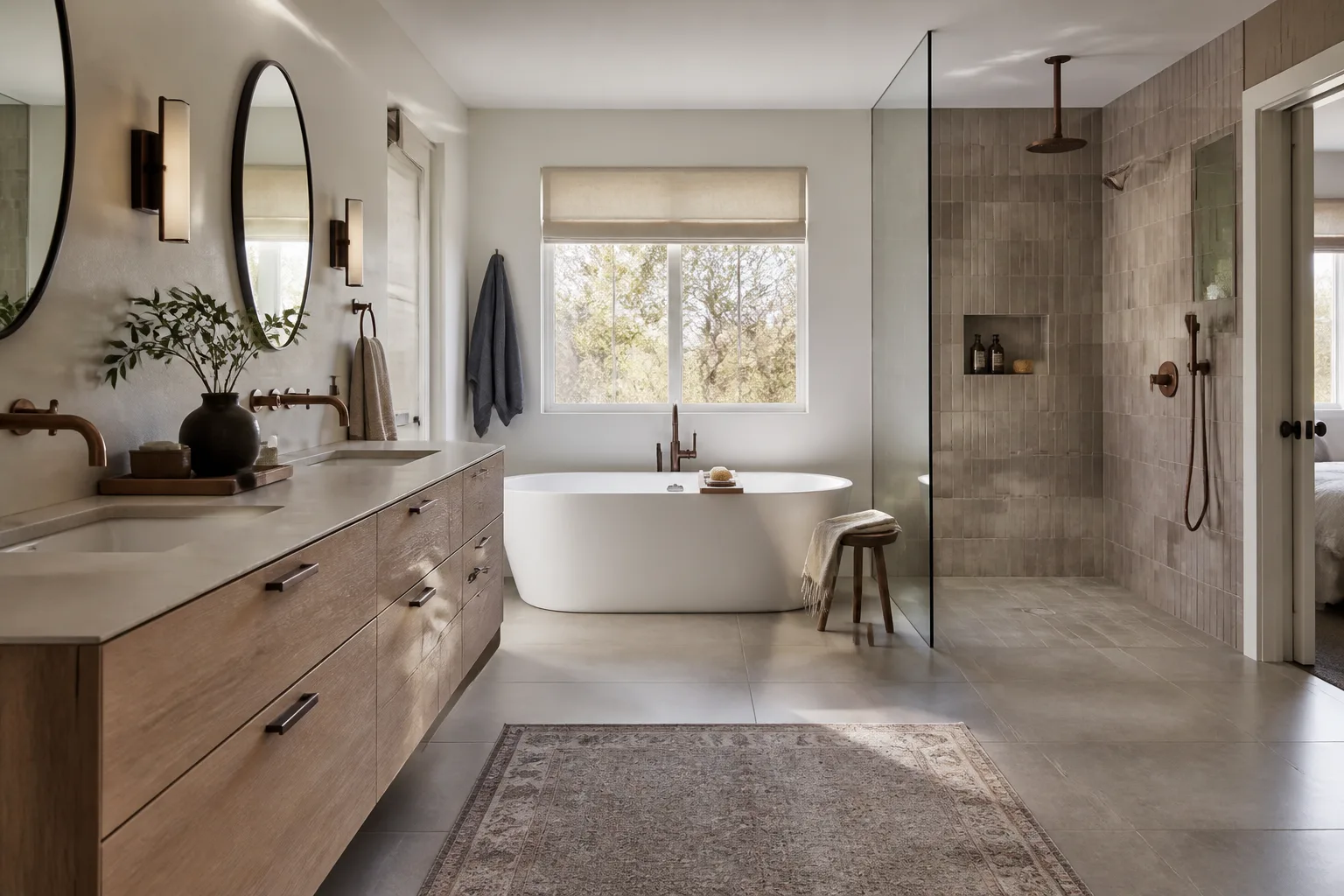
See the difference
 Before
 After
After Before
 After
After Before
 After
AfterReplacement Cost & What’s Included
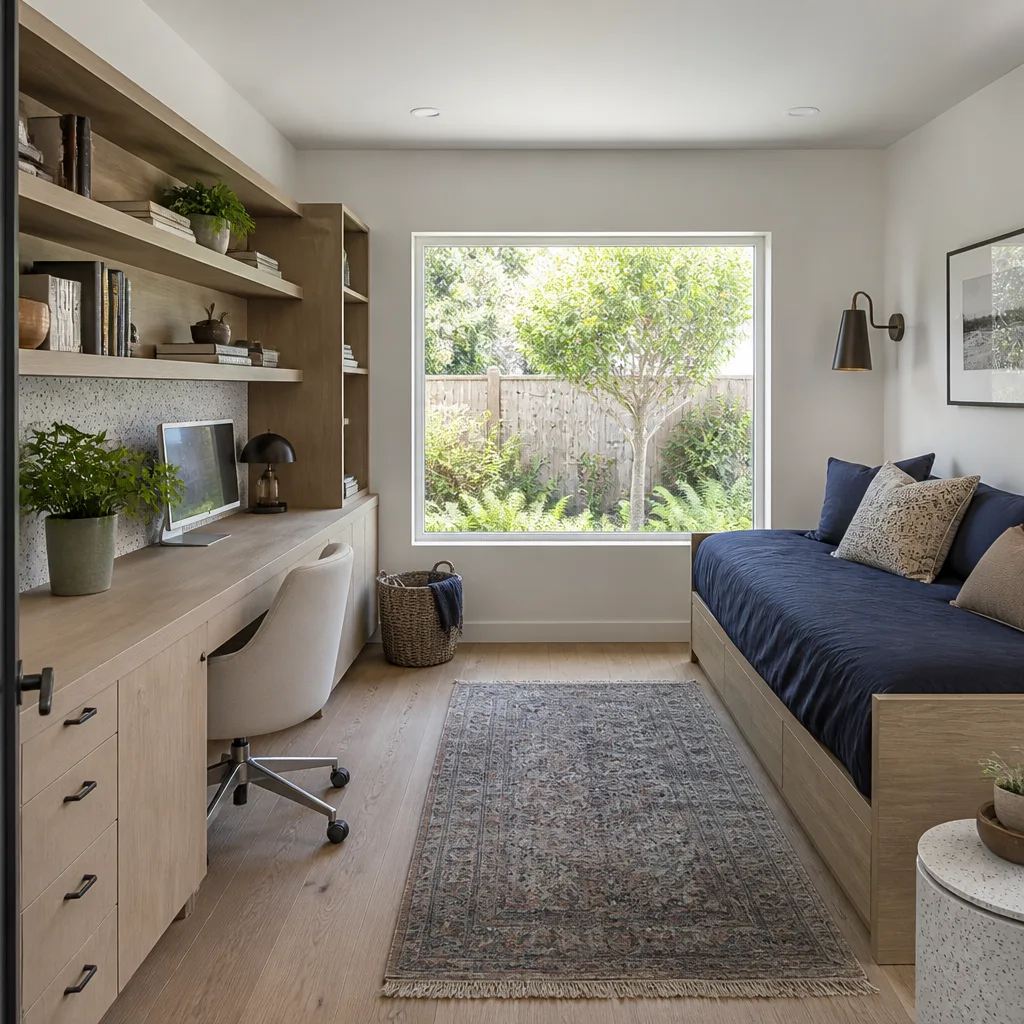
Here’s what an addition or ADU tied to a Plant Prefab home actually costs in San Diego County, all-in:
- Home Addition: $53,100 – $153,400
- ADU Construction: $106,200 – $259,600
- Garage Conversion (attached to existing Plant Prefab structure): $35,400 – $94,400
What drives the range is straightforward: how much foundation work the site requires, whether the existing module’s roof and wall framing need modification to match, and the finish level of the new space. A simple one-room bump-out on flat ground in Clairemont runs at the low end. A detached ADU with a kitchenette and bath on a sloped lot in Mission Hills runs at the high end.
Every estimate from Mason Remodeling Co San Diego includes a written price before any work starts. That price covers permits, plans, engineering, materials, labor, and the 365-Day Done Right Promise. If something we built is not right within a year of completion, we fix it at no cost. You’ll get the technician’s name and photo before we set foot on your property, and a written scope that doesn’t grow on the final invoice.
DIY or Call Us?
There are two things you can check on your own without touching structural connections. First, look at the seam where your addition meets the original module: is the trim joint opening up? Second, check for water staining around that same seam after rain. Anything beyond observation, and you should stop. Plant Prefab connections involve engineered hold-downs, load paths, and movement joints. Cutting into a factory wall without understanding the load path can compromise the entire module’s structural integrity, and that’s not a risk worth taking with a six-figure structure. If the seam is opening or water is getting in, call us at (619) 673-9302 and we’ll put eyes on it. The estimate is free, and it comes in writing.
FAQs
With correct detailing at the module interface, a properly constructed addition or ADU should last 50+ years without significant structural repair. The failure point is almost never the materials; it’s the connection detail between the factory-built piece and the site-built piece. Get that right and the structure will outlast both of our careers. Call (619) 673-9302 if you want a second opinion on an existing connection.
In most cases, yes. We often repair the movement joint, replace the flashing, re-drywall the seam, and re-anchor the connection for under $10,000. Rebuilding is only necessary when the original framing was cut into the module’s load path without engineering. We’ll tell you which situation you’re in before any work is authorized.
Plan for 4 to 9 months from permit submittal to final inspection in San Diego. City of San Diego plan review times vary by workload, and modular tie-in details sometimes require more back-and-forth with the building official than a standard addition. The physical construction is usually 2 to 4 months once the permit is issued. Call (619) 673-9302 and we’ll give you an honest timeline for your specific scope.
We stock the common hold-downs, anchor bolts, flashing profiles, and movement joint materials on our trucks, and we have a standing relationship with local Simpson Strong-Tie and Hilti distributors in San Diego for anything unusual. If your original Plant Prefab hardware is discontinued, we’ll source and engineer the aftermarket equivalent before scheduling the work.
Written by Isaac Pruett, Owner, Mason Remodeling Co San Diego at Mason Remodeling Co San Diego, serving San Diego and nearby areas.


