
Free written scope consultation - allowances, timeline, and change-order rules on paper before a single trade is scheduled
Silestone Construction in San Diego, CA | Mason Remodeling Co San Diego
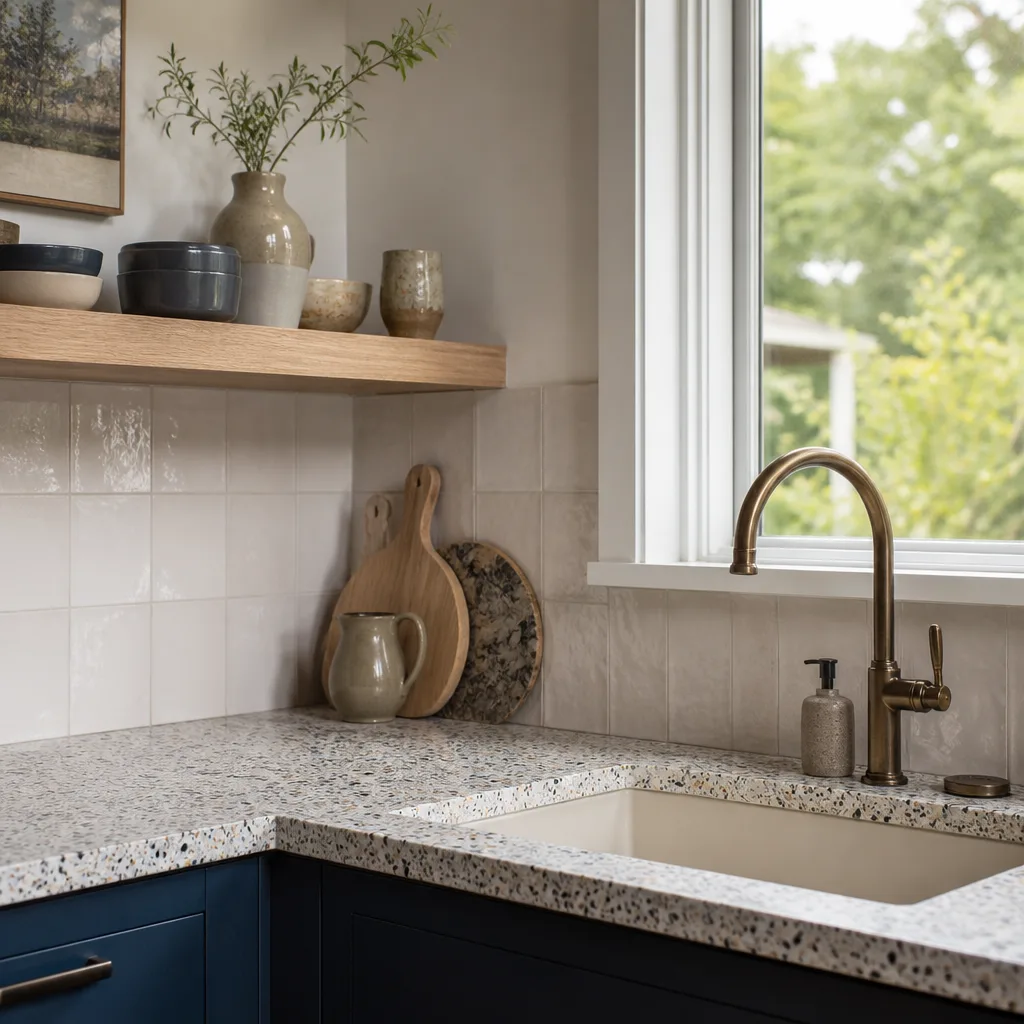
We provide independent Silestone construction service across San Diego: templating, cutting, seaming, and installing full quartz slabs for kitchens, baths, and wet bars. The one thing that makes our Silestone work here different is that we plan every job around San Diego’s seismic codes, coastal salt air, and canyon-rim foundation movement, not around a showroom in another city. If you’re pricing a Silestone countertop, island, or backsplash in San Diego, call (619) 673-9302 for a written estimate before any work starts. We’re Mason Remodeling Co San Diego, led by Isaac Pruett, and we’ve been doing this since 2004.
Why San Diego Residents Choose Us for Silestone Service
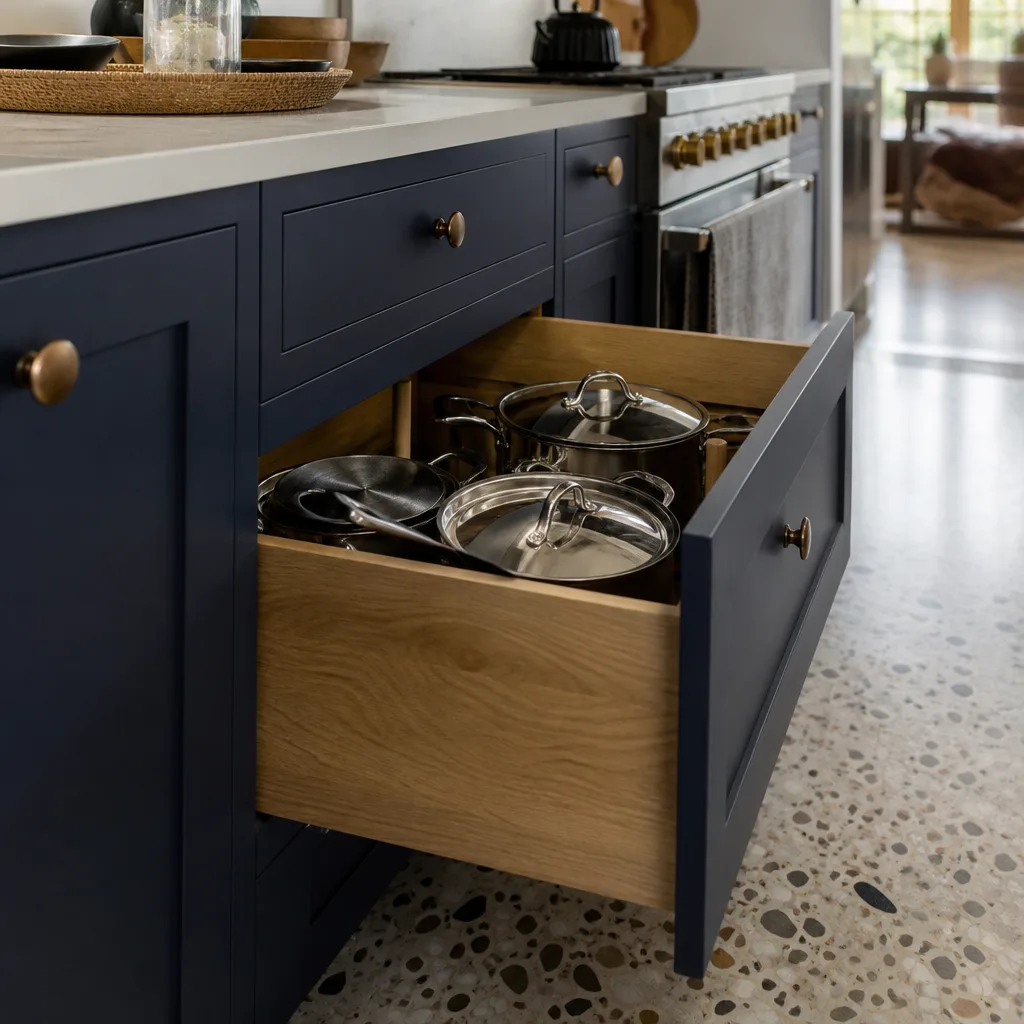
Silestone is a quartz surface, not granite or marble. That distinction matters when someone cuts it, seams it, and installs it in a San Diego kitchen. Quartz is an engineered stone: roughly 90% crushed quartz bound with resin and pigment. It handles heat and staining differently than natural stone, and it moves differently when a slab-on-grade foundation shifts during a wet winter. Our crews work with Silestone every week, across all four major series: Silestone sales & service is what we do, and we’ve learned where this material succeeds and where it fails in our specific housing stock.
Isaac Pruett grew up in Los Angeles and picked up a framing hammer before he ever opened a textbook, but it was his time at Los Angeles Trade-Technical College that turned raw instinct into a real skill set. For the past several years, he and his crew have worked all across San Diego County, from gut-renovating kitchens a few blocks from Balboa Park to handling full bathroom overhauls in neighborhoods where the homes are older than most of his tools. That experience is why we don’t guess. We measure, we template, and we write the price down before a single tool leaves the truck.
Every crew member who arrives at your door in San Diego has been background-checked and identity-verified under the Threshold Standard. You’ll get the technician’s name and photo before the visit, and they’ll show a photo ID badge when they arrive. We work in clean marked uniforms. You’ll know exactly who is in your home before they step inside.
Styles & brands we work with







Common Silestone Construction Problems We Solve in San Diego
Tell me what’s broken. I’ll tell you what it takes. These are the Silestone failures we see most often across San Diego, and each one maps to a local condition that makes it worse here than it would be inland.
- Chipping at overhangs on unsupported spans: In 1950s Clairemont kitchens, peninsulas were often framed with minimal support at the cabinet ends. A Silestone overhang that extends more than 10 to 12 inches without brackets or corbels will eventually chip at the edge. We see it on Loft Series and Eternal Series slabs where the original installers skipped the support structure entirely.
- Chalky haze or water spotting on polished finishes: Spanish Colonial Revival homes near the coast often have bathrooms with poor ventilation. Steam from showers sits on the polished Silestone surface, and over time, hard water minerals etch a haze into the resin. Sunlit Days Series and Le Chic Series finishes are especially prone near unventilated showers in Mission Hills and Point Loma.
- Seam separation at slab joints: San Diego’s clay soils expand and contract during winter rain saturation. Homes on slab-on-grade foundations, especially in canyon-rim neighborhoods, can shift enough to separate Silestone seams at the sink or peninsula junction. We’ve re-seamed islands in Clairemont where the slab had settled nearly 3/8 of an inch at one corner.
- Dulling and micro-scratches from beach sand: Coastal homes in La Jolla, Pacific Beach, and Coronado deal with sand tracked in from the beach. Sand is silica; Silestone is quartz. It’s the same hardness. Walking sand across a polished Silestone floor or countertop creates fine scratches that dull the surface over time, especially when combined with abrasive cleaning products.
- Anchor-point failures in pre-code homes: San Diego’s coastal development regulations now require mechanically anchoring stone countertops to base cabinets for seismic resistance. But many older canyon-rim homes in Mission Hills and Bankers Hill were built before that code existed. We regularly find Silestone slabs held down by nothing more than silicone caulk and gravity.
Silestone Service in San Diego: What Local Conditions Mean for Your Equipment
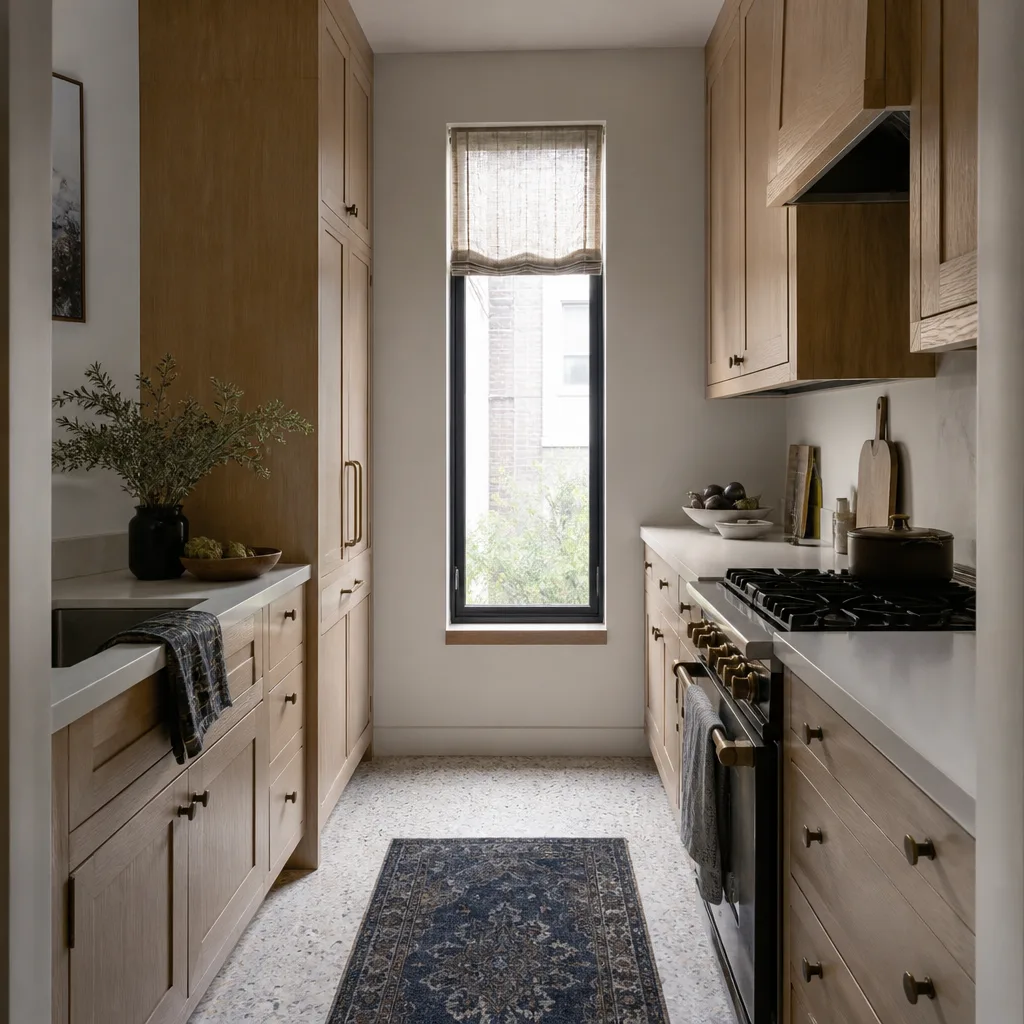
San Diego’s coastal canyon topography and Mediterranean climate mean construction often requires special erosion control, hillside foundation work, and careful handling of the region’s ubiquitous stucco-over-wood framing, while navigating strict coastal development and environmental regulations that vary by neighborhood. For Silestone specifically, the regulation that matters most is seismic anchoring. Current code requires stone countertops to be fastened to base cabinets with mechanical anchors rated for lateral movement. But many of the canyon-rim homes we work in were built decades before that code existed. Their stucco-and-lath walls, original to the 1940s and 50s, were never meant to carry an anchoring load. On jobs in Mission Hills or Bankers Hill, we often drill new anchoring points through stucco and lath to reach framing that can actually hold. That’s not a step every countertop installer in San Diego takes, and skipping it is exactly how Silestone islands end up shifting off their bases during a seismic event. Isaac keeps a worn copy of his original apprenticeship notes in his truck, and the lesson from those notes that still applies: anchor to structure, not to finish.
In one 1960s Clairemont rambler, our crew templated a Loft Series Camden island for a seismic retrofit kitchen. The existing slab-on-grade had settled nearly 3/8″ at the cooktop wall, so we shimmed the base cabinets and cut a custom radius to keep the waterfall edge from binding. After installing mechanical anchors into the slab and sealing with Silestone fill, the island sat dead-flat across the hump. The owner finally stopped sliding a beer coaster under one corner.
Silestone Models & Products We Service in San Diego
We work with all four current Silestone families. The Eternal Series, including Calacatta Gold and Statuario, is the marble-look line we template most often for full-height backsplashes in San Diego kitchens. The Loft Series covers industrial matte finishes like Camden and Poblenou, popular in converted warehouses and modern downtown condos. Sunlit Days, the first carbon-neutral Silestone collection, includes Posidonia Green and Cincel Grey, and we’ve seen it used heavily in coastal remodels. Le Chic rounds out the line with high-contrast veining like Bohemian Flame and Victorian Silver.
For repairs, we use Silestone-branded color-match adhesives and seam fillers. Off-brand fillers cure to a slightly different sheen, and on a polished Eternal Series slab, that difference shows under San Diego’s bright daylight. If a fabrication flaw or impact damage compromises the slab’s integrity, we say so plainly. Patching is cheaper, but full replacement is sometimes the only honest fix. We keep the most common color-match fillers and adhesives stocked locally, which means less waiting for a repair in San Diego.
See the difference
 Before
 After
After Before
 After
After Before
 After
AfterSilestone Service Pricing in San Diego
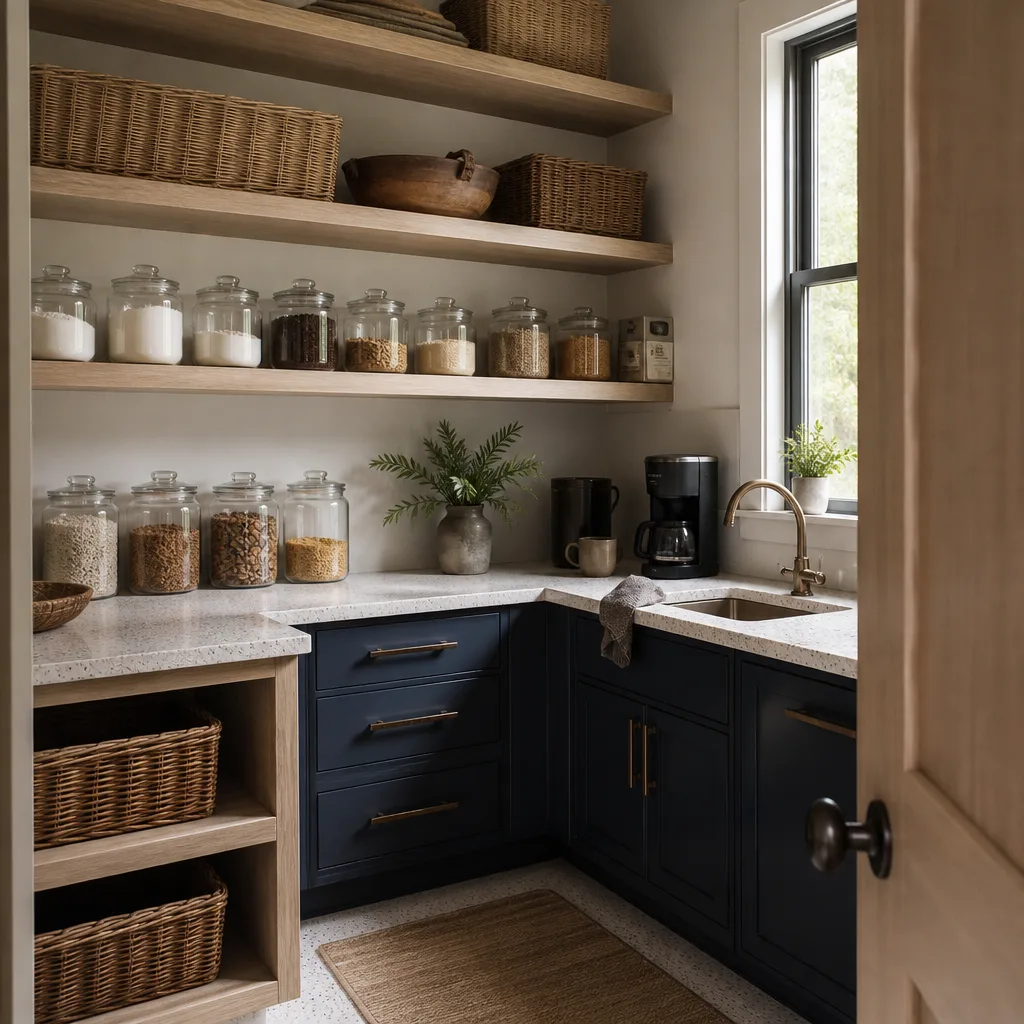
What you’ll pay for Silestone construction in San Diego depends on slab size, edge profile, whether we’re removing existing tops, and how much seismic anchoring the job requires. Here are the line-item ranges we quote most often:
| Service | San Diego Price Range |
|---|---|
| Countertop Installation | $2,360 – $7,670 |
| Kitchen Island Installation | $3,540 – $11,800 |
| Backsplash Installation | $945 – $2,950 |
These ranges cover typical Silestone slabs in standard San Diego kitchens. A Mission Hills kitchen with seismic anchoring through stucco-and-lath walls will land on the higher end. A straight-forward slab replacement in a 1980s Poway tract home will sit lower in the range. Every estimate is delivered in writing before any work starts, not as a verbal guess that grows at the end. Call (619) 673-9302 and we’ll put exact numbers on paper for your project.
Serving San Diego, CA - Our Local Coverage Area
We’re based in the San Diego area and know this community well. Use the map below to see our service coverage - if you’re nearby, we can almost certainly help.
FAQs – Silestone Construction in San Diego
In most cases, no. Layering Silestone over existing tile adds roughly 3/4 to 1 inch of height, which throws off your cooktop, sink rim, and outlet placement. San Diego kitchens from the 1950s and 60s often have original tile countertops with a mud-set base that’s already 1.5 inches thick. Removing that down to the cabinet substrate is usually the right call. We’ll assess your existing build-up during the free estimate and tell you what’s feasible. Call (619) 673-9302 to schedule a look.
Salt air itself doesn’t corrode Silestone the way it corrodes metal flashing and fasteners. What it does is deposit a fine salt film on polished surfaces, which attracts moisture and makes water spotting more visible, especially in beach neighborhoods like La Jolla and Pacific Beach. The bigger issue is the sand that comes with coastal living. Quartz sand tracked onto a Silestone floor or counter will micro-scratch the polish over time. We recommend regular cleaning with a pH-neutral quartz cleaner and clean, soft cloths, never abrasive scrubbers.
Seam separation near the sink almost always traces back to foundation movement. San Diego’s clay soils expand when saturated during winter rain, and slab-on-grade homes, especially in canyon-rim areas, shift enough to pull seams apart. The fix is re-seaming with Silestone-branded color-match adhesive, plus checking whether the slab needs re-leveling or additional anchoring. We handle this all the time across San Diego, and the repair is far less expensive than waiting for the gap to widen into a crack. Call (619) 673-9302 for an exact quote, estimates are free.
Unsupported spans over cabinet ends. In 1950s and 60s Clairemont and Allied Gardens kitchens, islands and peninsulas were often framed without enough structural support for a heavy quartz overhang. Silestone needs corbels or steel brackets when the overhang exceeds 10 to 12 inches. Without them, the edge eventually chips or the entire slab develops stress fractures. We inspect the underlying cabinet structure on every island install and quote the support as part of the job. Call (619) 673-9302 for an evaluation.
Sometimes. Silestone periodically retires colors, and exact slabs from ten years ago may not be available from current stock. We keep a library of color-match fillers for many discontinued Eternal and Le Chic series colors, but an exact slab match depends on what’s in local and regional distribution. We’ll check before we quote you. If a true match isn’t available, we’ll tell you straight instead of selling you a patch that looks wrong in daylight. Call (619) 673-9302 and we’ll check the color for you.
Service Areas Near San Diego
Beyond our core San Diego service area, we run Silestone construction crews into the surrounding communities. You’ll find us templating Loft Series islands in Encinitas, replacing Eternal Series countertops in Poway, and handling backsplash installs in Coronado, Spring Valley, and National City.
Book Your Silestone Service in San Diego Today
Call (619) 673-9302 and a live person will answer, any day of the year. We’ll schedule your free estimate, send the name and photo of your technician before the visit, and put your Silestone price in writing before any work starts. The 365-Day Done Right Promise covers every Silestone job we install in San Diego.
Written by Isaac Pruett, Owner at Mason Remodeling Co San Diego, serving San Diego since 2004.